Richard Tice Urges Andy Burnham to Call General Election Immediately After Being Sworn in as MP
Richard Tice Urges Andy Burnham to Call General Election Immediately After Being Sworn in as MP

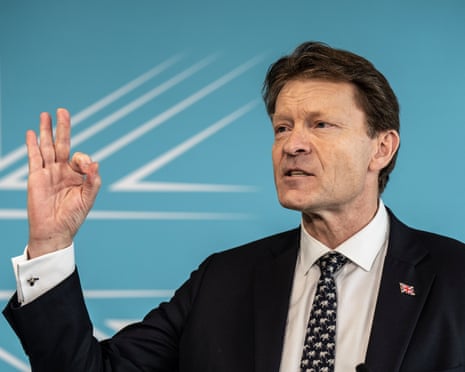
Richard Tice, the Deputy Leader of Reform UK, has issued a strong and immediate call for Andy Burnham to trigger a general election following his swearing-in as the new MP for Makerfield. Speaking on GB News, Tice argued that the rapid political transition underway in Westminster demands fresh validation from the British public rather than allowing a new Prime Minister to assume power without a direct mandate. The demand comes just hours after Sir Keir Starmer announced his resignation as Labour leader and Prime Minister, setting in motion a leadership contest in which Burnham has emerged as the clear frontrunner. Tice’s intervention underscores Reform UK’s aggressive strategy to capitalise on Labour’s internal turmoil and push for a national vote to address what the party describes as years of mismanagement.
Sir Keir Starmer’s resignation marks a dramatic turning point in British politics. In his farewell statement, the outgoing Prime Minister emphasised that “every decision” he made was taken with the country’s best interests at heart. He outlined a clear timetable for his departure from Downing Street, remaining in post until a successor is chosen. However, the speed at which events are unfolding has caught many observers by surprise. Burnham, the former Mayor of Greater Manchester, was sworn in as MP today and has already confirmed his intention to stand in the Labour leadership race. With significant support within the party, he is widely expected to become the next Prime Minister potentially by mid-July, raising serious questions about democratic legitimacy and the stability of governance during a period of economic and social strain.
Richard Tice wasted no time in challenging the legitimacy of this transition. On GB News, he directly questioned Burnham’s readiness and visibility on the national stage, claiming that “most Britons don’t even know who he is.” Tice suggested that Burnham’s relatively low national profile outside of Greater Manchester makes it unacceptable for him to step into the role of Prime Minister without first facing the electorate. He further accused Burnham of “flip-flopping like a yo-yo” on key domestic policies, ranging from economic priorities to public service reforms. According to Tice, these inconsistencies highlight a lack of clear vision at a time when Britain desperately needs decisive leadership on issues such as immigration, NHS waiting lists, and cost-of-living pressures.


Reform UK has made removing Keir Starmer from office a central part of its political mission. With Nigel Farage at the helm, the party has consistently positioned itself as the voice of voters disillusioned with both major parties. Tice’s latest intervention reinforces this message, framing the call for an election not as partisan point-scoring but as a necessary act of democratic renewal. He argued that allowing Burnham to assume the premiership without a general election would represent a continuation of the same unaccountable politics that have eroded public trust over recent years. Reform’s stance aligns with broader demands from opposition figures, including Conservative leader Kemi Badenoch, who have also pressed for an early vote amid concerns over defence spending and national security.
The political context surrounding Burnham’s rise adds weight to Tice’s criticisms. As a prominent figure in the devolution movement and a popular regional leader, Burnham enjoys strong support in the North of England. However, his transition to national politics comes at a moment of profound instability. Starmer’s short tenure ended amid poor polling, internal party divisions, and criticism over handling of key issues such as migration and economic recovery. Burnham’s supporters argue that his pragmatic, delivery-focused style and appeal to working-class voters could help Labour reconnect with its traditional base. Critics, however, point to his limited experience on the national stage and question whether he possesses the authority to unite a divided country without seeking a fresh mandate.
Tice’s comments reflect Reform UK’s growing confidence. The party has seen significant gains in recent polling, capitalising on widespread frustration with the establishment. By demanding an immediate election, Reform aims to force Labour and the Conservatives onto the defensive while presenting itself as the only party offering genuine change. Tice highlighted specific policy areas where he believes Burnham has shown inconsistency, suggesting that voters deserve the opportunity to scrutinise these positions in a full campaign rather than accepting a backroom transition. This approach resonates with many who feel that recent changes in leadership — from Boris Johnson to Liz Truss to Rishi Sunak to Keir Starmer — have left the public exhausted and disconnected from decision-making in Westminster.
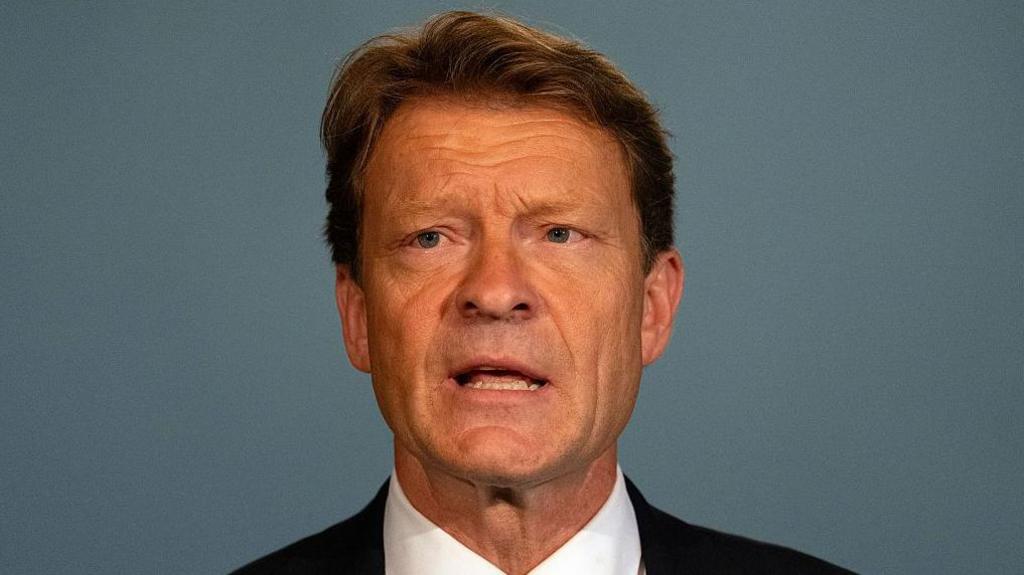
The timing of Burnham’s swearing-in as MP for Makerfield adds symbolic importance to the moment. It represents his formal return to Parliament after years focused on regional governance. Yet this milestone has been overshadowed by the national leadership drama and immediate calls for an election. Burnham has so far remained measured in his public statements, focusing on the leadership process and the need for stability. He has not yet committed to calling a general election, preferring instead to consolidate support within Labour and outline his vision for the country. This cautious approach has opened the door for opposition figures like Tice to seize the narrative and portray him as hesitant or lacking in transparency.
The broader implications of this political upheaval are significant. Britain has seen an unusual number of Prime Ministers in a relatively short period, raising concerns about institutional stability and the effectiveness of governance. Reform UK’s demand for an election taps into deeper public anxieties about accountability, border control, and economic competence. Farage and Tice have repeatedly argued that only a decisive public vote can restore faith in democracy and deliver the radical changes needed to “fix broken Britain.” Their message is particularly potent on issues such as small boat crossings, where public frustration remains high despite repeated government pledges.
As the Labour leadership contest accelerates, all eyes will be on how Burnham responds to these mounting pressures. His ability to navigate the demands for an election while managing internal party dynamics will be crucial in determining whether he can establish a stable premiership. For Reform UK, the current turmoil represents a significant opportunity to expand its influence and force the major parties to address voter concerns more directly. Tice’s intervention on GB News has successfully amplified the call for democratic renewal at a pivotal moment.
The coming weeks promise intense political maneuvering. With Starmer preparing to depart and Burnham positioning himself as successor, the opposition’s unified demand for a general election ensures that the question of legitimacy will dominate the national conversation. Whether Burnham chooses to call an early vote or attempts to govern without one could define not only his political future but the trajectory of British politics for years to come. In the meantime, Richard Tice and Reform UK will continue to press their case, positioning themselves as the relentless voice demanding that power be returned to the people.
This latest development highlights the volatile nature of contemporary British politics. As one era ends with Starmer’s resignation, the battle over the next chapter is already well underway. The public will ultimately decide whether Andy Burnham earns the right to lead or whether the country requires a fresh election to chart a new course.