Rick Lagina Goes 100 Feet Underground to Explore Oak Island Tunnel – What Did He Find in the Mysterious Passageway?
Rick Lagina Descends 100 Feet to Inspect Possible Treasure Tunnel on Oak Island

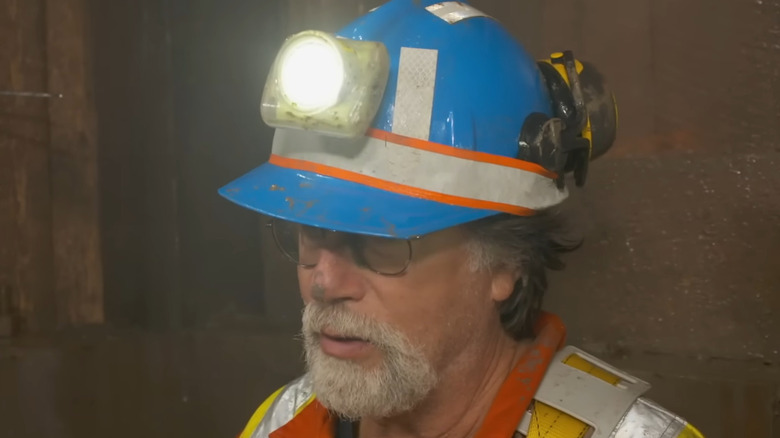
A dramatic new moment has unfolded in the long-running treasure hunt on Oak Island as Rick Lagina personally descended deep underground to inspect what may be one of the most significant discoveries in years. The inspection took place beneath the Garden Shaft, a key excavation site where the team has been searching for clues connected to the island’s legendary hidden treasure. At roughly 100 feet below the surface, Rick and the research team encountered structures that immediately caught their attention and raised new hopes about what might lie buried beneath the island.
The descent itself was not a simple task. Accessing the lower sections of the Garden Shaft requires carefully controlled equipment and strict safety procedures, as the environment underground can be unstable and unpredictable. After being lowered into the shaft, Rick entered a narrow excavation area where the team had recently uncovered unusual wooden structures embedded in the surrounding soil. These timbers appeared deliberately placed, suggesting they might be part of a man-made construction rather than a natural geological formation.
As Rick examined the site more closely, the significance of the discovery began to sink in. Several large wooden beams were found lying horizontally within the earth, positioned in a way that suggested deliberate engineering. In underground excavation work, the presence of horizontal timber structures often indicates the remains of a tunnel reinforcement system or support structure built to stabilize a passageway. Such constructions are rarely formed naturally, making the discovery particularly exciting for researchers who have long suspected that complex tunnels exist beneath Oak Island.
Standing beside the newly exposed timbers, Rick expressed a mixture of amazement and cautious optimism. Reflecting on the moment, he remarked that seeing the structure firsthand confirmed something the team had hoped for but had never been able to prove with certainty. “To realize the tunnel is not just interpretation — it’s real,” he said while examining the beams embedded in the soil. For someone who has spent decades pursuing the mystery of Oak Island, the realization that a physical tunnel structure might truly exist beneath the surface was a powerful moment.




The wooden beams themselves varied in size, with some appearing thicker and longer than others. Their surfaces showed signs of shaping that suggested they had been cut or prepared by human hands rather than broken naturally. Observers noted that the wood appeared aged and worn, characteristics consistent with materials that may have been buried underground for centuries. The positioning of the timbers further strengthened the theory that they once formed part of a tunnel framework designed to support an underground passage.
Such a structure would align with one of the most persistent theories surrounding the island’s famous Money Pit. For generations, researchers have speculated that an elaborate system of tunnels and flood traps may have been constructed to protect a hidden treasure buried deep below the surface. According to historical accounts, early treasure hunters encountered layers of wooden platforms at regular intervals as they dug deeper into the ground, suggesting that the original builders used timber reinforcements to stabilize their underground work.
The newly discovered beams near the Garden Shaft appear to fit that historical description remarkably well. If confirmed as part of an engineered tunnel system, they could represent direct physical evidence supporting the idea that someone constructed complex underground structures on the island centuries ago. That possibility alone has generated intense interest among the team working on the exploration documented in The Curse of Oak Island.
Adding even more intrigue to the discovery is the scientific analysis already conducted on nearby wood samples. Earlier excavations in the same area produced pieces of timber that were later examined using carbon dating techniques. The results suggested that some of the wood dated back to the 17th century, placing it within a time period often associated with many of the historical theories surrounding Oak Island’s hidden treasure. If the newly discovered beams come from the same era, they could help strengthen the argument that an organized effort to construct underground structures took place on the island hundreds of years ago.

For Rick Lagina and his team, this possibility represents one of the most promising developments in the search for answers. Over the years, the exploration has produced numerous artifacts, fragments of wood, and other clues, but definitive evidence of a large-scale engineered tunnel system has remained elusive. The timbers discovered near the Garden Shaft may be the clearest indication yet that the underground network many have theorized about could actually exist.
At the same time, the team remains cautious. Archaeological discoveries often require extensive verification before firm conclusions can be drawn. Researchers must carefully document the exact position of the beams, analyze the surrounding soil layers, and determine whether the structure truly represents part of a continuous tunnel or simply an isolated set of wooden supports. Even so, the visual evidence alone has sparked renewed excitement among those involved in the project.
For viewers who have followed the Oak Island mystery for years, the moment captures the essence of why the island continues to fascinate explorers and historians alike. Every new discovery offers the possibility that the next layer of earth might reveal the answer to a centuries-old question. If the wooden structure beneath the Garden Shaft does indeed form part of an ancient tunnel, it could bring the team one step closer to uncovering one of the greatest legends in treasure hunting history.
As Rick emerged from the shaft after inspecting the beams, the sense of anticipation surrounding the discovery was unmistakable. The mysterious timbers lying 100 feet beneath Oak Island may represent more than just buried wood; they could be the remnants of a carefully designed underground system created long ago to conceal something valuable. Whether that system ultimately leads to the long-rumored treasure remains uncertain, but the discovery has undoubtedly reignited hope that the secrets of Oak Island may finally be within reach.