‘Moonshiners’: Popcorn Sutton’s Passing Still Resonates – Why Does His Story Still Captivate Fans Today?
The Death of Popcorn Sutton: A Moonshiner’s Legacy Lives On in Controversy and Reverence
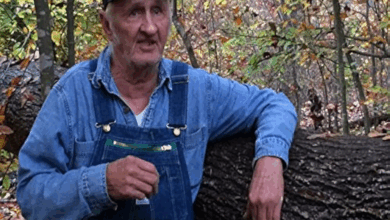
The Discovery Channel’s Moonshiners, since its debut in 2011, has woven a vivid tapestry of the clandestine world of illegal liquor production in the Appalachian Mountains, blending raw danger with cultural heritage. At the heart of this docudrama lies the legend of Marvin “Popcorn” Sutton, a Cocke County, Tennessee, moonshiner whose life and death continue to captivate and polarize audiences long after his passing in 2009. Though Sutton never appeared live on the show, his larger-than-life persona is immortalized through archival footage from filmmaker Neal Hutcheson’s documentaries, featured prominently in Moonshiners. The show, now in its 14th season as of August 2025, uses Sutton’s story to anchor its narrative, portraying him as both a folk hero and a tragic figure. His suicide, driven by an impending prison sentence, remains a poignant topic, sparking debates about freedom, defiance, and the cost of tradition.
Popcorn Sutton was born into a lineage of moonshiners, his destiny seemingly etched from birth. Known for his wiry frame, bushy beard, and unyielding spirit, he became a symbol of Appalachian rebellion, crafting high-proof moonshine in defiance of federal laws. His notoriety grew through Hutcheson’s films, which captured his backwoods stills and unapologetic lifestyle. When Moonshiners premiered, it incorporated this footage, introducing Sutton to a new generation. His image—often clad in overalls, tinkering with copper stills—became iconic, amplified by the success of Popcorn Sutton’s Tennessee White Whiskey, a legal distillery launched in 2010 bearing his name. Yet, it’s his death that fuels ongoing fascination and controversy.

On March 16, 2009, at age 62, Sutton took his life, just days before he was set to report to federal prison for an 18-month sentence. According to NBC News, he died of carbon monoxide poisoning in his Ford truck, a deliberate act to avoid incarceration for illegally distilling spirits and felony firearm possession. His widow, Pam Sutton, told the Associated Press, “He couldn’t go to prison. His mind would just not accept it. … So credit the federal government for my husband being dead, I really do.” The news sent shockwaves through his community and beyond, with fans and detractors alike grappling with the implications. A fan tweeted that day, “Toasting the passing of the famous moonshiner Popcorn Sutton. Pass the Mountain Dew! The Feds killed him. RIP.” Even in 2025, sentiments echo on platforms like X, with one user writing, “Remember the Feds killed Popcorn Sutton just because he made his own whiskey on his own land. The federal govt. hates you.”
Sutton’s death was not just a personal tragedy but a flashpoint for debates about individual liberty versus legal authority. His estranged daughter, Sky Sutton, offered a nuanced perspective to Knox News in 2009: “Nobody was going to tell him what to do. He did it his way. He always lived a death-before-dishonor kind of life.” She noted that a recent cancer diagnosis, combined with the prison sentence, likely influenced his choice. “Those factors gave Marvin the strength to die the way he lived: according to his own wishes and no one else’s,” she said. This view paints Sutton as a man of uncompromising principle, choosing death over submission, a narrative that resonates deeply with Moonshiners fans who see him as a martyr for personal freedom.



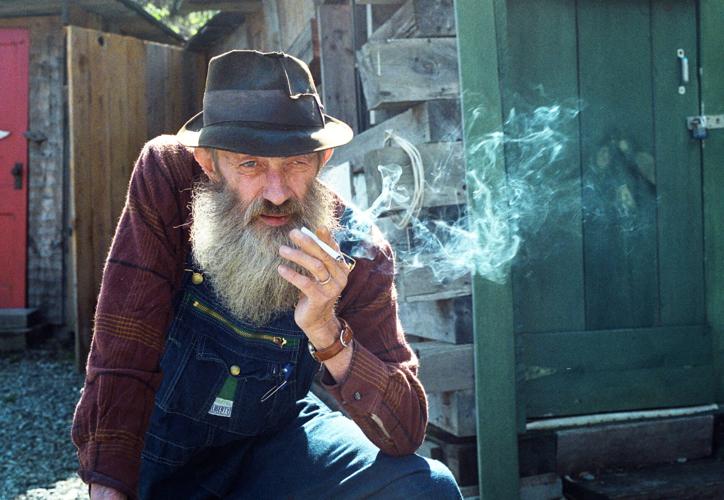
On Moonshiners, Sutton’s legacy is woven into the fabric of the show, particularly through moonshiners like Eric “Digger” Manes, who trained under Sutton and carries forward his techniques. Episodes often feature Digger and his partner Mark Ramsey discussing Sutton’s influence, with Digger calling him “the godfather of moonshine” in a 2024 episode. Archival clips show Sutton at work, his quick wit and defiance shining through as he navigates the dangers of still explosions and law enforcement raids. These dangers are real—Sutton’s 2008 arrest followed a raid that uncovered 1,000 gallons of moonshine and firearms, leading to his conviction. The show’s portrayal balances reverence for his craft with the stark reality of its consequences, a duality that fuels fan debates on X about whether Sutton was a criminal or a cultural icon.
The legal risks of moonshining, central to Moonshiners, mirror Sutton’s life. Filming in remote Appalachian forests and airing months later helps shield cast members from prosecution, a tactic Sutton employed in his own operations. Yet, his arrest proved the law’s reach, and his refusal to serve time underscored his rebellious ethos. Fans on X remain divided: some hail him as a “folk hero who stood up to the system,” while others call his actions reckless, citing the legal and safety risks of unregulated liquor production. A 2025 X post read, “Popcorn Sutton’s death was a tragedy, but moonshining’s no game—people get hurt.” His story, amplified by Moonshiners, keeps these tensions alive.
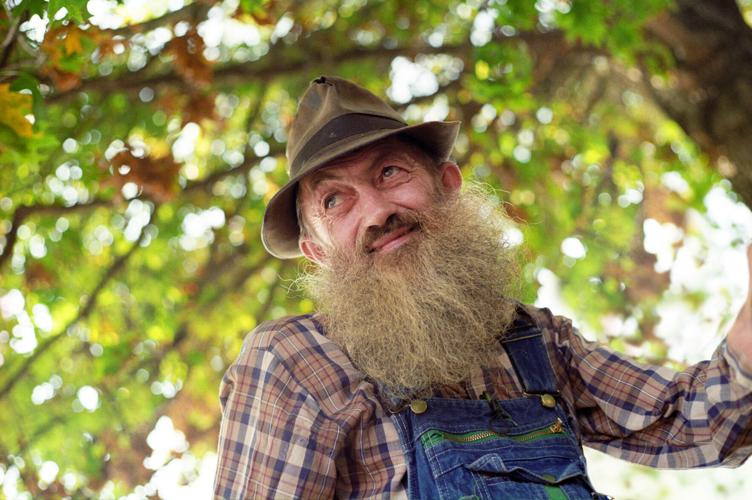
Sutton’s influence endures through Popcorn Sutton’s Tennessee White Whiskey, which thrives under legal distilling regulations, and through Moonshiners’ ongoing homage. The show’s use of Hutcheson’s footage ensures Sutton’s charisma and defiance remain vivid, inspiring figures like Digger and sparking cultural debates. His death—whether seen as a government-driven tragedy or a defiant final act—continues to shape the narrative of Moonshiners, a testament to a man who lived and died by his own code, leaving a legacy that burns as bright as his moonshine.