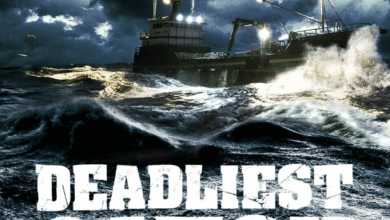
High-Stakes Haul at Risk on The Wizard — How Will a Crewman’s Injury and Infection Threat Change Everything?
Crewman’s Close Call on The Wizard: Injury and Infection Threaten High-Stakes Crab Haul
460 miles north of Dutch Harbor, the 109-foot Seabrooke slices through the Bering Sea, its crew riding a hot streak of blue crab catches. Captain Scott Campbell Jr., a seasoned skipper, has been pushing his team to the limit, running on just three hours of sleep over three grueling days. “This is huge fishing,” Campbell declared, his tanks brimming with crab as he races to haul the final 20,000 pounds needed for an impending delivery deadline. “This is what separates the men from the boys in this fishery,” he added, urging his exhausted crew to keep pace. But the relentless grind is taking a toll, and a series of injuries threatens to derail their momentum.
The Seabrooke’s deck boss and engineer, Aaron Steiner, is in rough shape. His knee, swollen and hot to the touch, has been worsening with each passing day. “I might have hit it working or something and didn’t realize it,” Steiner admitted, limping noticeably. Campbell, concerned, inspected the injury and quickly diagnosed a staph infection. “Dude, it’s hot. You got an infection,” he said, his tone urgent. Staph infections at sea are no small matter—without prompt treatment, they can spread rapidly, leading to organ failure. Campbell, frustrated, scolded Steiner for not reporting the issue sooner. “Anytime you have heat on something, that’s an infection. You should’ve told me a long time ago.”
The situation worsened when Campbell discovered the Seabrooke’s antibiotic supply was depleted. “My bad for not checking it,” he admitted, visibly shaken. Steiner’s role as both deck boss and engineer makes him indispensable, and losing him to infection could cripple the operation. “To have him go down would be devastating,” Campbell said, scrambling to find a solution. With no antibiotics on board, the crew faces a race against time to keep Steiner on his feet and the boat on track.
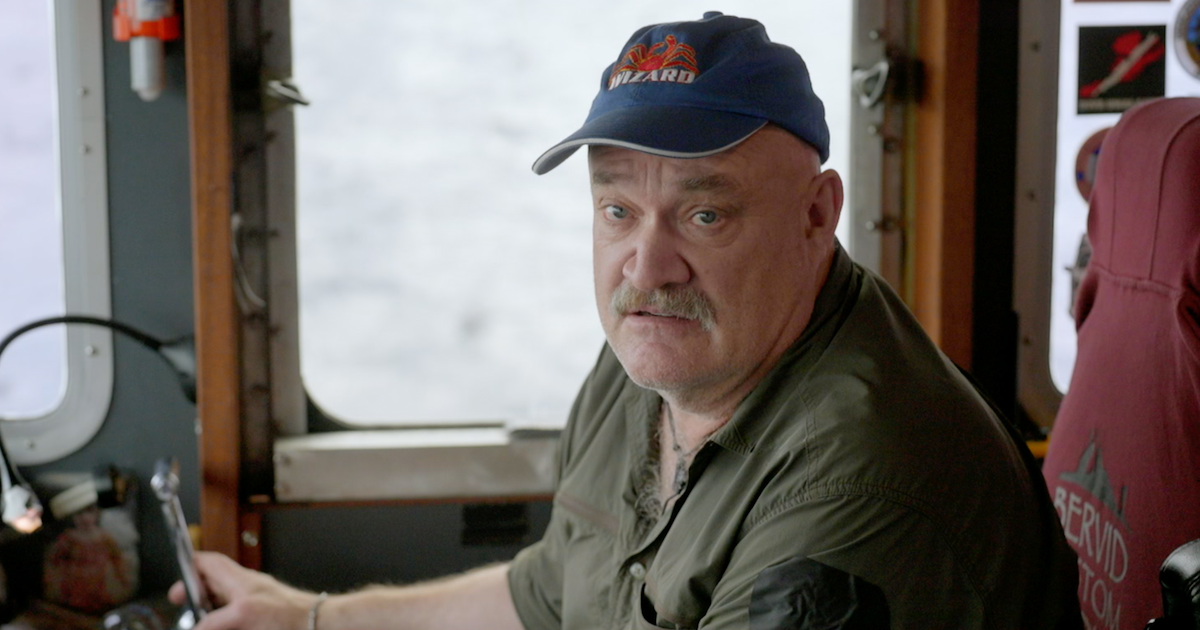
Meanwhile, 400 miles away, Captain Keith Colburn of the Wizard is battling his own challenges. After a four-day cold streak, Keith’s alliance with rival captain Junior has soured, leaving his crew demoralized and their crab counts dismal. Five days earlier, Keith had shared his prime fishing spot with Junior, only to feel betrayed when Junior capitalized on the intel without reciprocation. “Little white lie never hurt nothing,” Junior had quipped, prompting Keith to vow, “Last time I ever set him on hot fishing.” With 100,000 pounds of blue crab still to catch, Keith’s crew revived an old boat tradition to shift their luck, hoping for a turnaround.
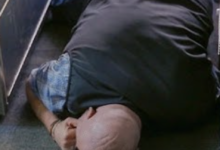
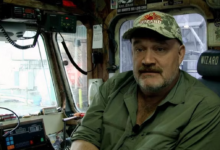

Their efforts paid off when a pot revealed 17 crabs—a welcome improvement over recent hauls. “We’re on the meat now,” Keith exclaimed, relief washing over him. The Wizard, dubbed a “magical crab boat” by the crew, seemed to be back in business. But the reprieve was short-lived. A sudden cry of “Man down!” echoed across the deck as engineer Lenny Lechenov staggered back, blood streaming from his face. As the crab block hauled up a pot, a buoy had snapped free, striking Lenny just below his eye and slicing his face open.
Keith rushed to Lenny’s side. “You got a little bit of blood coming out of the side of your eye,” he said, calmly assessing the injury. “Open it up. Can you see my finger?” Lenny, stunned but responsive, confirmed he could see, though his vision was blurry. “It’s probably from all the blood in the eye,” Keith reassured him, guiding him inside for a closer look. The wound was gushing, typical of facial injuries, but its proximity to Lenny’s eye raised alarm. “It’s so close to your eye, I’m a little concerned about stitching it,” Keith noted, opting instead for butterfly bandages to close the gash.
Lenny’s toughness shone through. “He’s a tough son of a gun,” Keith said, marveling at his engineer’s resilience. The crew applied bandages, carefully avoiding further damage to the delicate area. “Real fortunate it didn’t catch you in the eyeball,” Keith added, relieved that Lenny hadn’t lost his sight. The Wizard’s history is no stranger to pain—accidents are part of life on a crab boat—but Keith was adamant: “Nobody’s ever lost any body parts on this boat, Lenny. You’re not going to be the first.” With a touch of grim humor, he quipped about naming the infirmary “Lenny’s Memorial Infirmary,” though the danger was no laughing matter.
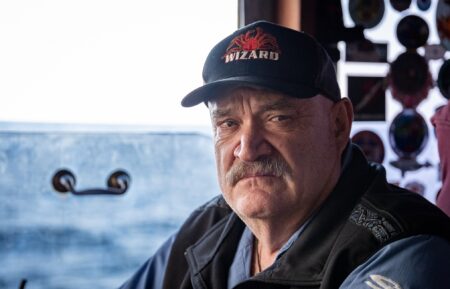
Both the Seabrooke and the Wizard highlight the brutal realities of crab fishing, where exhaustion, injury, and equipment failures test even the most seasoned crews. Steiner’s infection and Lenny’s near-miss underscore the constant risks, from infections that can spiral out of control to split-second accidents that threaten life-altering consequences. Yet, the drive to meet quotas and deadlines pushes these fishermen to persevere. For Campbell, the absence of antibiotics is a critical oversight he must address to protect his crew. For Keith, Lenny’s injury is a stark reminder that the crab block, a vital piece of equipment, can turn deadly in an instant.
As the Wizard’s crew returned to hauling pots, their spirits lifted by the improving crab counts, Keith remained vigilant. The 17-crab pot was a sign they were back on track, but the season’s demands—100,000 pounds of crab and a delivery deadline—loomed large. Similarly, Campbell’s push to haul the final 20,000 pounds on the Seabrooke required every crew member to stay sharp, despite physical and mental fatigue. In the Bering Sea, where danger lurks in every pot and every wave, resilience is the currency of survival. For now, both crews press on, their sights set on the crab and their resolve strengthened by the narrow escapes that define their perilous trade.