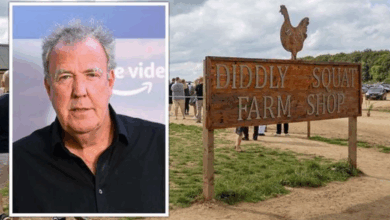
Jeremy Clarkson’s Diddly Squat Goes Cashless Sparking Massive Fan Backlash – Is He Alienating His Core Countryside Customers?
Cashless Clash at Diddly Squat: Jeremy Clarkson Fans Erupt Over Farm Shop’s Controversial Payment Policy
In the rolling hills of the Cotswolds, where sheep graze lazily and stone cottages whisper of centuries past, Jeremy Clarkson’s Diddly Squat Farm Shop has long been a beacon for fans of the motoring maverick turned reluctant farmer. Since its humble opening in 2020, the quaint outpost—stocked with artisanal cheeses, Hawkstone Lager, and jars of Clarkson’s own honey—has drawn hordes of pilgrims eager to taste a slice of the Amazon Prime phenomenon that is Clarkson’s Farm. But in recent weeks, this idyllic rural retreat has become ground zero for a modern-day uproar, as the shop’s steadfast card-only policy ignites a firestorm of complaints on social media. With accusations of embracing a “cashless society” and betraying the farm’s rustic ethos, disgruntled visitors are flooding X (formerly Twitter) and Instagram, turning a simple transaction into a heated debate about privacy, practicality, and the soul of small-business Britain.
The controversy erupted anew in mid-October 2025, when a frustrated customer took to X to confront Clarkson directly: “Why won’t you accept cash at your shop? Do you support digital currency? Bad move, my son.” The post, which garnered over 5,000 likes and hundreds of replies within hours, struck a chord with a vocal contingent of fans who view the policy as more than mere inconvenience—it’s a slippery slope toward surveillance and exclusion. Clarkson’s response was characteristically swift and candid: “I’m with you but it’s just completely impractical, I’m afraid.” His reply, laced with reluctant empathy, did little to quell the backlash, instead fueling a thread of impassioned arguments that echo broader anxieties about the erosion of cash in everyday life.
This isn’t the first time Diddly Squat’s cashless stance has stirred the pot. Just months earlier, in June 2025, a lengthy Instagram comment beneath a promotional video for the farm shop went viral, amassing thousands of shares. The anonymous visitor, who had trekked from London for a weekend visit, lamented: “Visited the farm shop and bar on the weekend. Why card only? Please consider accepting cash, too.” What followed was a manifesto on the perils of a digital-only world: “If cash dies, your location and purchases will be tracked automatically. You won’t be able to opt out or unsubscribe.” The commenter delved deeper, highlighting vulnerabilities for marginalized groups—”People in abusive situations are often financially reliant on their abuser. If cash is removed, their way out will be that much harder or close to impossible. Elderly, blind and people with disabilities will struggle. Many people can’t or don’t know how to use technology. They would also be vulnerable to scams and other technological difficulties. #keepcashalive.”

Lisa Hogan, Clarkson’s partner and the farm shop’s de facto curator, responded from her personal account with a heartfelt acknowledgment: “I agree with you on so many levels.” The exchange, preserved in screenshots circulating on Reddit’s r/ClarksonsFarm subreddit, drew widespread support, with users sharing personal stories of cash’s lifeline role. One Redditor recounted, “As someone who’s escaped domestic violence, cash was my ticket out—no trail, no questions. Clarkson’s shop feels like a betrayal of that freedom.” The post sparked a petition on Change.org titled “Bring Cash Back to Diddly Squat,” which has since surpassed 12,000 signatures, urging the farm to install a cash register as a nod to inclusivity.
At the heart of the uproar is Diddly Squat’s transformation from a sleepy agricultural outpost to a bustling tourist magnet. Clarkson purchased the 1,000-acre estate in Chadlington, Oxfordshire, back in 2008 as a semi-retirement whim, but it was the 2021 launch of Clarkson’s Farm—a docuseries blending humor, heartbreak, and hard-nosed agrarian realism—that catapulted it to fame. The show, now renewed through Series 5 (filming wrapped in mid-2025, with a 2026 premiere eyed), has amassed over 100 million global streams, per Prime Video metrics, turning the farm into a pilgrimage site. The shop, helmed by Hogan, stocks hyper-local wares: rapeseed oil from the farm’s fields, fudge made with Cotswolds cream, and branded merch that rakes in £1.6 million annually, according to a 2024 The Sun report. Weekends see queues snaking for miles, with visitors from as far as Australia braving two-hour waits for a £5 jar of honey or a £4.50 Hawkstone pint.
Yet, this success breeds logistical nightmares. The cashless policy, implemented since opening to streamline high-volume sales, reflects a broader UK trend: over 80% of small retailers now shun cash, citing hygiene post-COVID and theft risks, per UK Finance data. For Diddly Squat, where daily takings can top £10,000 on peak days (as Clarkson lamented in a Series 4 episode), handling wads of notes poses security headaches. Banks in rural Oxfordshire are scarce—over 1,500 branches shuttered nationwide since 2012, per Which?—leaving deposits a logistical ordeal. As one defender on X noted in response to the original complaint: “If you take cash, you have a near impossible task of trying to find a bank on the high street that’s not been closed down, to deposit said cash. The amount that Diddly Squat Farm Shop takes would be dangerous to have just lying around. Cash is king, just not practical anymore, unfortunately.” This pragmatic retort, echoed in replies across platforms, highlights the divide: idealists versus realists in the war over wallets.
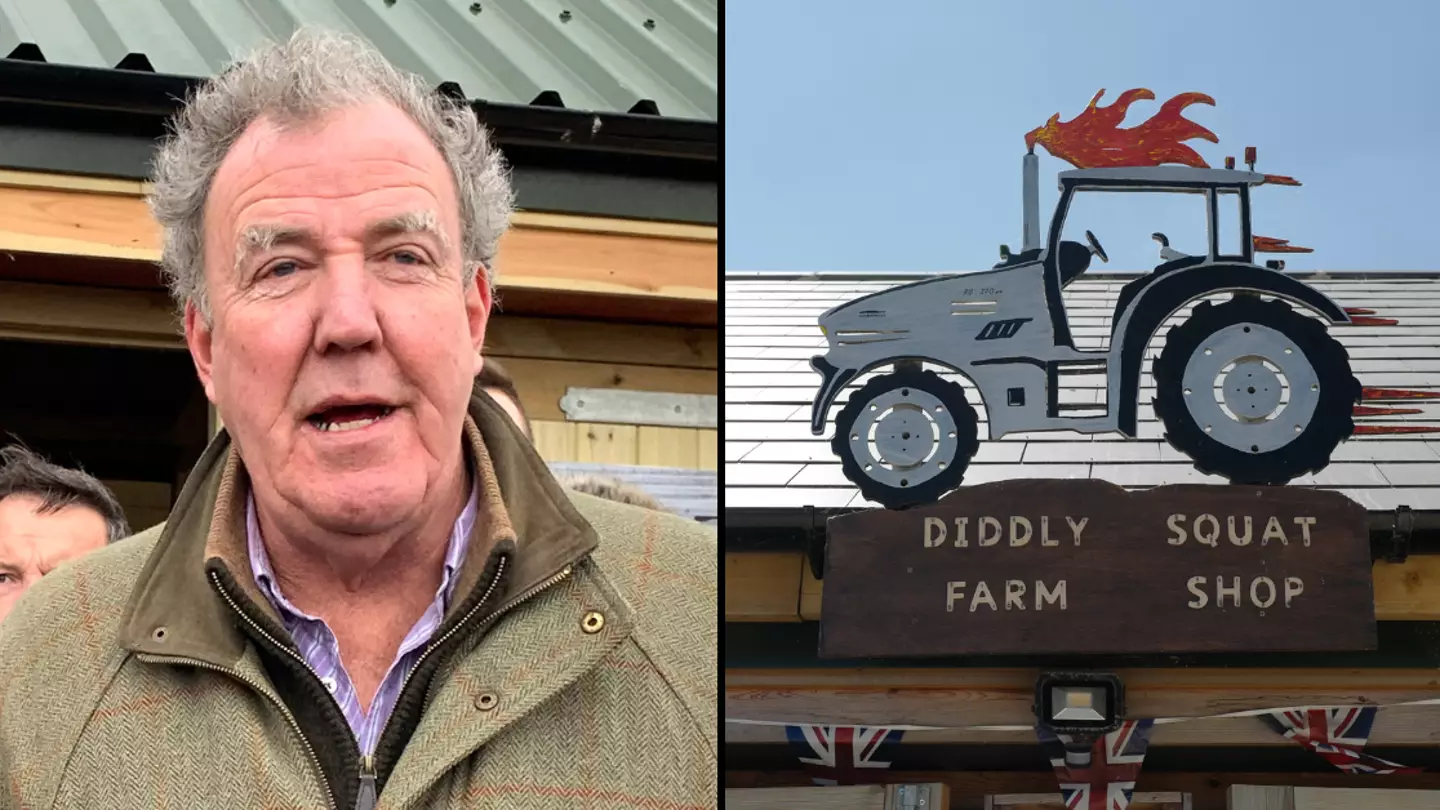
The backlash taps into a simmering national conversation about cash’s decline. In the UK, where physical currency use has plummeted to 12% of transactions (Bank of England, 2025), critics warn of a “two-tier society”—those digitally savvy thriving, while the elderly (over 2 million without smartphones) or unbanked (1.5 million adults) are sidelined. Privacy hawks decry the surveillance state, pointing to scandals like the 2024 Post Office Horizon debacle, where digital errors ruined lives. For Diddly Squat, the policy clashes with its folksy image: fans flock for an authentic taste of Clarkson’s “slow farming” ethos, only to swipe cards amid sheep bleats. One TripAdvisor review from September 2025 griped, “Loved the fudge, hated the exclusion—feels corporate, not Cotswolds.” Conversely, supporters argue it’s a savvy adaptation; the shop’s online pivot, boosted by Series 4’s pub launch, saw a 25% sales uptick via card and app payments.
Clarkson’s empire adds layers to the debate. Beyond the farm, his ventures include The Farmer’s Dog pub (opened August 2024 in Asthall, with its own cashless tills amid “lavatory mysteries” rants) and Hawkstone Brewery, which poured £2 million in 2024 revenue. These successes, chronicled in Clarkson’s Farm‘s drought-plagued Series 4 (May-June 2025), underscore the need for efficiency in a sector squeezed by Brexit costs (up 30%, per DEFRA) and climate woes. Yet, the policy risks alienating core fans—the very ones who queue for hours, as evidenced by 2024’s “hideous” waits lambasted on Daily Mail forums.
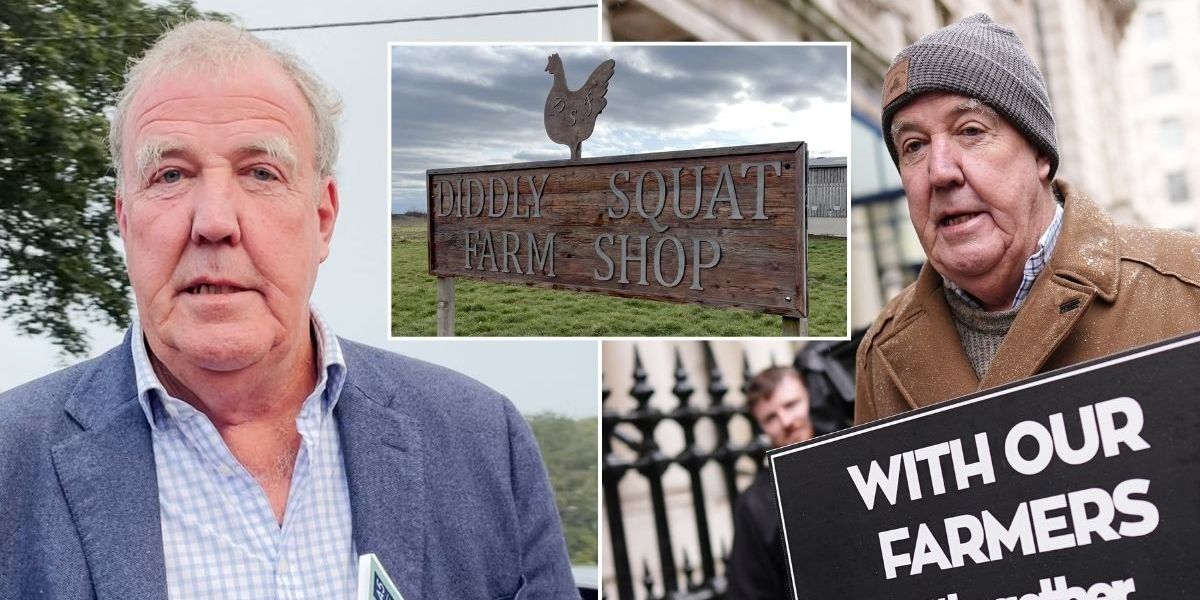
As of October 18, 2025, no policy reversal is in sight. Clarkson, ever the contrarian, has doubled down in a Radio Times column, quipping, “I’d love to take your crumpled fivers, but who’d guard the till while I’m arguing with a cow?” Hogan, in a recent Instagram Live, hinted at exploring hybrid options like contactless cash machines, but emphasized safety: “We adore our visitors, but in a tiny shop with queues out the door, cash brings chaos.” The saga, amplified by Daily Star and Express coverage, has trended on X with #KeepCashAtDiddlySquat, blending humor (memes of Clarkson as a “digital overlord”) with earnest advocacy.
Ultimately, Diddly Squat’s cash conundrum mirrors the farm’s ethos: a clash of tradition and modernity, where idealism meets invoices. As Clarkson’s Farm Series 5 looms—promising pub pandemonium and Kaleb Cooper’s Aussie jaunt—the shop’s tills will keep beeping card swipes, but the debate rages on. For fans, it’s more than money; it’s a stand for the tangible in an increasingly intangible world. Will Clarkson cave? Or will Diddly Squat stay defiantly digital? In the Cotswolds’ timeless valleys, one thing’s certain: the row won’t fizzle quietly.