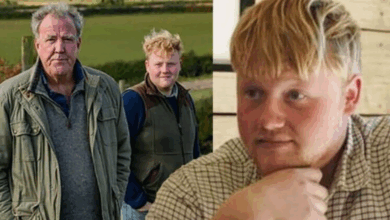
Jeremy Clarkson Slams Government Over Rachel Reeves’ Budget Cuts and Hints at Major New Fight — What’s the Former Top Gear Host Planning Next?
Jeremy Clarkson Fires Sharp Warning at Government After Rachel Reeves’ Budget Cut—and Reveals a New Battle Off the Farm

Jeremy Clarkson, Britain’s most outspoken farmer-turned-television-host, has never been shy about saying what he thinks. And this week, after Chancellor Rachel Reeves unveiled her autumn budget, Clarkson delivered one of his most biting responses yet—wrapped, of course, in the kind of humor that makes the punchline sting even more.
The budget included a concession that farmers had been pressuring the government to adopt: relaxed inheritance-tax rules for agricultural property. But beyond that small victory, the farming community remains frustrated, arguing that the policies still fail to address the real crisis facing the industry. Clarkson seems to agree. And rather than release a formal statement, he reached for satire.
Shortly after the budget announcement, the Clarkson’s Farm star posted a photo of himself sitting in the contestant’s chair on the set of Who Wants to Be a Millionaire?—the quiz program he typically hosts, not plays. With the picture came a sharp caption:
“Farming has been so unprofitable, I’m thinking of sitting in this chair when we record Millionaire tonight.”
It was the perfect Jeremy Clarkson moment—half joke, half warning, and fully pointed at Westminster.
Fans Rally Behind Him
The post ignited immediate reaction online, particularly from viewers of Clarkson’s Farm, the hit Amazon series that documents his real-life attempt to run Diddly Squat Farm. One supporter pleaded with him not to quit the farming world, praising the show for offering a rare, unfiltered glimpse into the financial pressures and bureaucratic obstacles farmers face.
Another commenter teased that they’d love to see Clarkson actually compete on Millionaire for once. A third redirected the joke back to the government, suggesting that even if Clarkson won the top prize, “the government will just take it anyway.”
What made Clarkson’s jab land with unusual force was the silence that came before it. Since Reeves delivered the budget, Clarkson had posted nothing substantial—not a rant, not a critique, not even a sarcastic remark. His only recent posts had been trivial Wordle scores. For someone known for speaking loudly and often, the quiet was noticeable.
That’s why the joke, when it finally arrived, sounded less like a throwaway gag and more like a statement of fatigue from someone who has been trying to make farming work—and finding it persistently unprofitable.

Farming Struggles Behind the Scenes
Clarkson has repeatedly highlighted how unpredictable and financially draining British farming has become. From fluctuating crop prices to tractor expenses that can swallow an entire year’s profit, he has portrayed farming not as the idyllic countryside life often imagined, but as an endless ledger of rising costs and shrinking returns.
Even the inheritance-tax relief introduced by Reeves came only after sustained pressure from farming groups—pressure that, in Clarkson’s view, should not have been necessary in the first place. While the change will help protect farmland assets from heavy taxation, it does little to address the day-to-day grind that makes farming a risky and frequently loss-making profession.
For many farmers, Clarkson’s post said more in one sentence than a full policy editorial could: the numbers simply don’t add up.
A Second Fight: AI Scams Misusing Clarkson’s Identity
But the government is not Clarkson’s only concern this month. Away from the fields, he is dealing with a different kind of threat—one that doesn’t come from weather, regulations, or crop failures.
It comes from the internet.
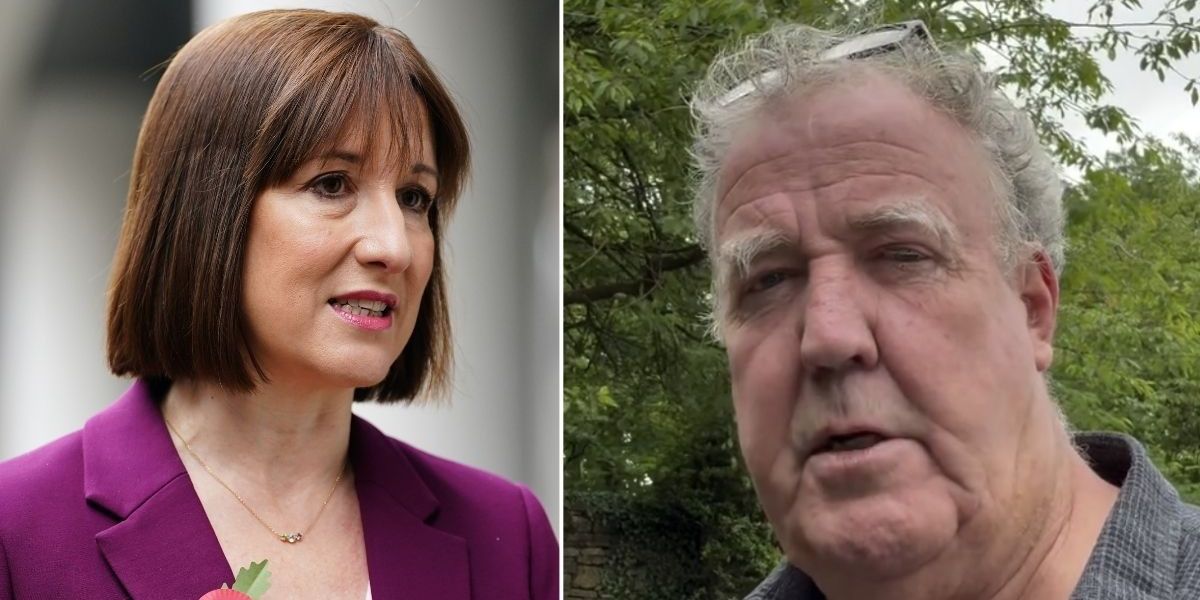
Clarkson recently revealed that he has trademarked his face, name, and identity after discovering that scammers are using AI-generated versions of him to promote bogus investment schemes, especially fake cryptocurrency ads and online loan offers. Fraudsters have been mimicking his voice and appearance in deep-fake videos and social-media posts, tricking unsuspecting viewers into clicking links or sharing financial information.
Speaking to The Sun, Clarkson emphasized that this legal move was not motivated by ego or branding—but by the need to protect the public.
“I’m protecting people from me—but it’s not me,” he explained, underscoring how convincing the scam content has become.
And for anyone wondering whether Clarkson might secretly be dabbling in the crypto market, his response was blunt and unmistakable:
“I don’t even know what cryptocurrency is, but it sounds ghastly.”
Battling on Two Fronts
Between the budget dispute and the digital impersonators, Clarkson now finds himself fighting on two fronts: one in the real fields of Oxfordshire and one in the digital wilderness where AI clones are spreading misinformation.
On the agricultural side, he continues pushing his long-running message that farming is becoming financially untenable—even for someone with the resources and media platform that he has. His latest joke may have been delivered from the comfort of a television studio, but its message is firmly rooted in the soil: farmers need more than symbolic policy gestures.
On the digital side, Clarkson is trying to keep fans—and unsuspecting internet users—safe from fraudulent schemes trading on his name. The problem reflects a broader global issue, as celebrities across industries rush to protect their likeness from being replicated by increasingly powerful AI tools.
The Clarkson Paradox: Serious Problems, Delivered With a Laugh
Despite the seriousness of both problems, Clarkson continues to address them with the humor and irony he’s become famous for. It’s a strategy that draws people in, even when the underlying topic is grim.
In the span of a single week, he has used a quiz-show chair to highlight the collapse of farm profitability and a trademark application to expose a new wave of AI crime. And somehow, he has done both while making people laugh and think at the same time.
Whether the government listens—or scammers get the message—is another story. But if Jeremy Clarkson has proven anything, it’s that he won’t stay silent when he thinks something matters, even if he delivers the warning with a punchline.