Jeremy Clarkson Reveals Why Clarkson’s Farm Filming Has Stopped – Is This Legal Trouble or Something Even More Frustrating?
Jeremy Clarkson Reveals Why Clarkson’s Farm Cameras Have Stopped Rolling
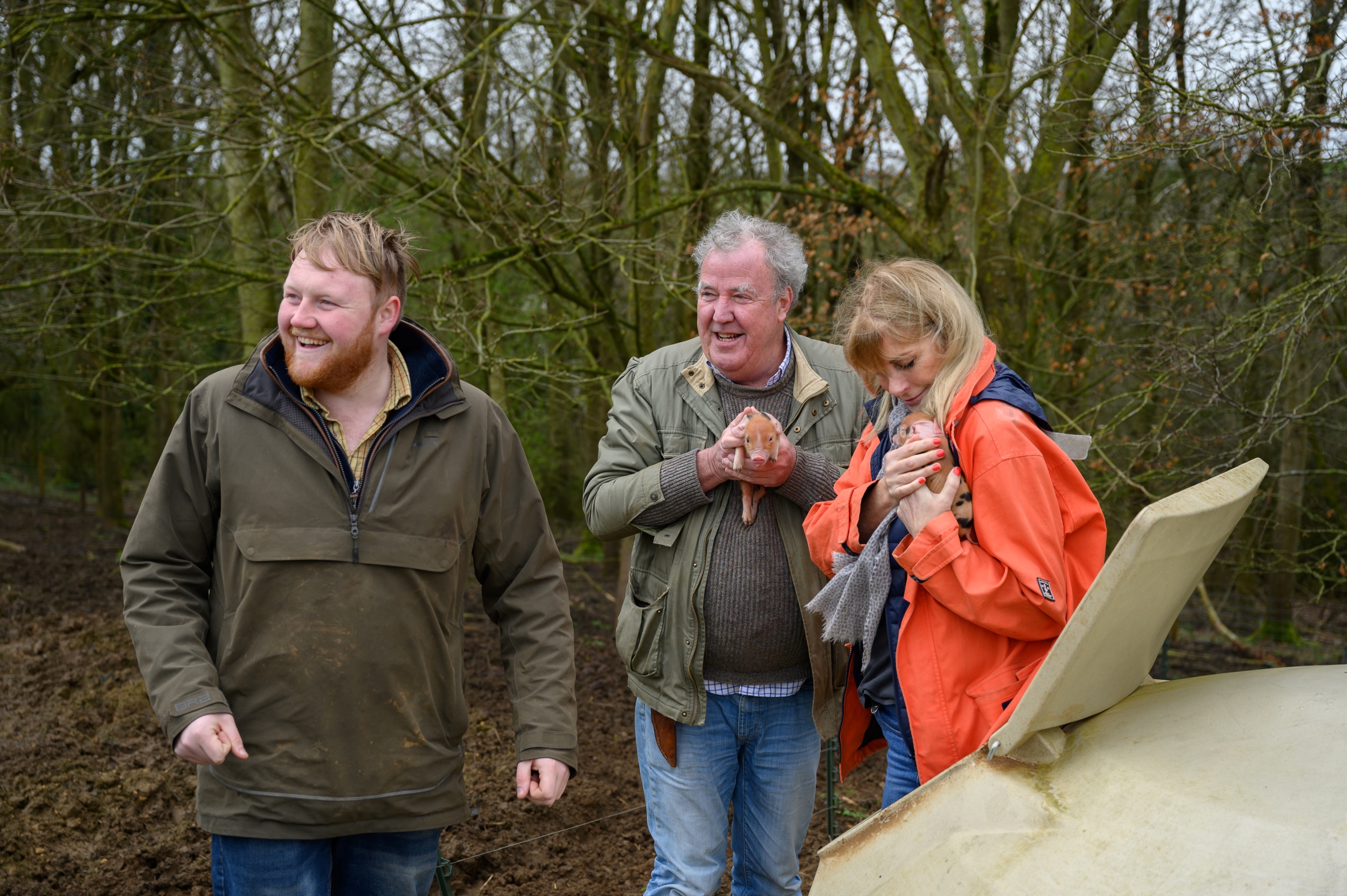
For a show built on chaos, calamity and countryside drama, the biggest obstacle facing Clarkson’s Farm right now is something far less cinematic: relentless rain.
Jeremy Clarkson has confirmed that filming at Diddly Squat Farm has been temporarily paused because there is simply nothing happening on the land to record.
“There’s no filming happening on the farm at the moment,” Clarkson told The Sunday Times. “It hasn’t stopped raining since the beginning of the year, so I can’t plant anything, and I can’t do anything with my cows either because we are still locked down by TB.”
Rain, Mud — and Total Standstill
The 1,000-acre Oxfordshire holding, which Clarkson purchased in 2008, has faced difficult seasons before. But this year’s weather has effectively paralysed operations. Waterlogged soil prevents tractors and seed drills from entering fields without causing long-term structural damage. Planting windows are narrow in British farming, and missed opportunities can impact yields for an entire season.
For a television series that thrives on real-time agricultural challenges, inactivity poses a different kind of crisis. No planting means no crop gamble. No harvest means no dramatic yield reveal. No machinery means no spectacle.
Clarkson previously suggested he would only commit to a sixth season if there were “a good story” to tell. Ironically, the problem now is that nature has paused the story altogether.
TB Lockdown: A Deeper Crisis

Compounding the weather chaos is an outbreak of bovine tuberculosis (bTB) that struck the farm in October 2025. The disease has left Clarkson’s cattle operation under strict movement restrictions.
Bovine TB is a chronic respiratory disease caused by Mycobacterium bovis. It forces mandatory testing and, in infected cases, culling of cattle. The consequences can be financially and emotionally devastating. Between October 2021 and September 2022 in England alone, 22,934 cows were slaughtered due to bTB controls.
Clarkson described 2025 as his “worst year ever,” citing climate-driven disasters, heatwaves, drought, and what he called a “shocking” harvest. Now, as season five prepares to air this spring, much of its narrative is expected to focus on the TB outbreak and its fallout.
The situation underscores a harsh truth often highlighted by the series: farming is uniquely exposed to forces beyond human control. Weather extremes and livestock disease can undo months—sometimes years—of work in a matter of weeks.
From Farmer to Media Phenomenon
Since launching in 2021, Clarkson’s Farm has grown into one of Prime Video’s most-streamed shows. What began as a celebrity experiment in agriculture evolved into a cultural talking point about rural economics, planning battles, supply chains and the precarious state of British farming.
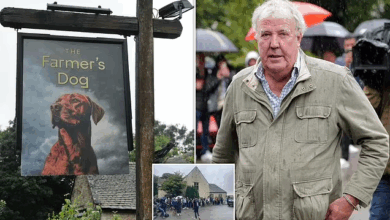
Clarkson’s business interests have expanded alongside the show’s popularity. In July 2024, he took over a rural pub in Asthall near Burford, rebranding it as The Farmer’s Dog. The purchase featured prominently in the most recent season, adding hospitality to his agricultural portfolio.
Yet despite these ventures, Clarkson recently insisted he is stepping back from expansion. “I am done with business,” he told The Times, claiming he does not truly understand it. “I am not motivated by money. I just want a good craic.”
The remark stands in contrast to the scale of his growing rural brand. But it aligns with the tone that made the series resonate: a mixture of frustration, humour and reluctant resilience.
Can the Show Survive Stillness?
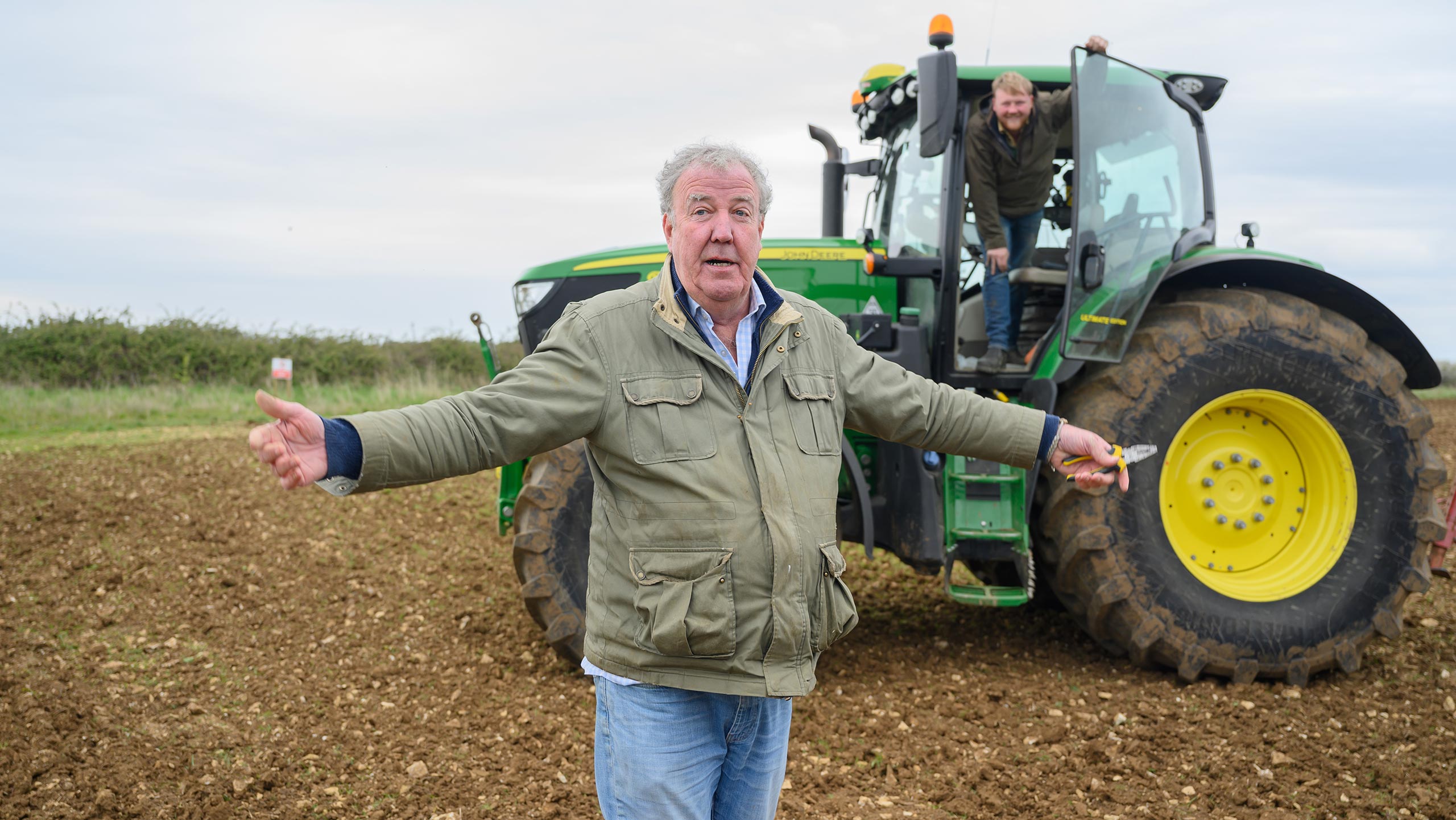
Television production thrives on momentum. Clarkson’s Farm is structured around cycles—planting, lambing, harvesting, market gambles, and bureaucratic showdowns. A prolonged weather shutdown disrupts not just agricultural output but narrative flow.
Still, the current pause may ultimately strengthen the series. The stark reality of standing idle—unable to plant, unable to move cattle—highlights the vulnerability of modern farming more vividly than any tractor mishap.
The coming season will likely delve deeply into the emotional and financial strain of disease control and climate volatility. In that sense, the absence of filming now could become part of the broader story later.
For the moment, however, Britain’s most famous farm sits under grey skies. No drills carving neat lines into Cotswold soil. No herds shifting between pastures. No camera crews capturing Clarkson’s exasperated commentary.
Just mud. And waiting.
Whether that pause proves temporary or transformative remains to be seen. But one thing is certain: even for a global streaming hit, nature still calls the shots.