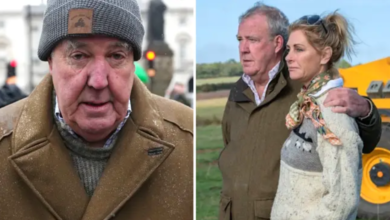
Jeremy Clarkson Finally Wins His Planning Permission Battle: What Can He Now Do with The Farmer’s Dog Pub?
Jeremy Clarkson Wins Long-Running Planning Battle Over The Farmer’s Dog Pub

Jeremy Clarkson has secured a significant victory away from the cameras after finally winning a prolonged planning dispute involving his Oxfordshire pub, The Farmer’s Dog. After more than a year of uncertainty, local authorities have granted permission for long-awaited parking improvements at the venue, bringing an end to months of debate over traffic, safety, and the impact of Clarkson’s popularity on rural communities.
The Clarkson’s Farm star applied to West Oxfordshire District Council for permission to lay hard surfacing across both car parks at The Farmer’s Dog, a Cotswolds pub located near Burford. The decision, confirmed this month and reported by the Oxford Mail, marks a crucial step forward for the business, which has struggled to manage unexpectedly high visitor numbers since opening.
A Pub Caught in the Spotlight
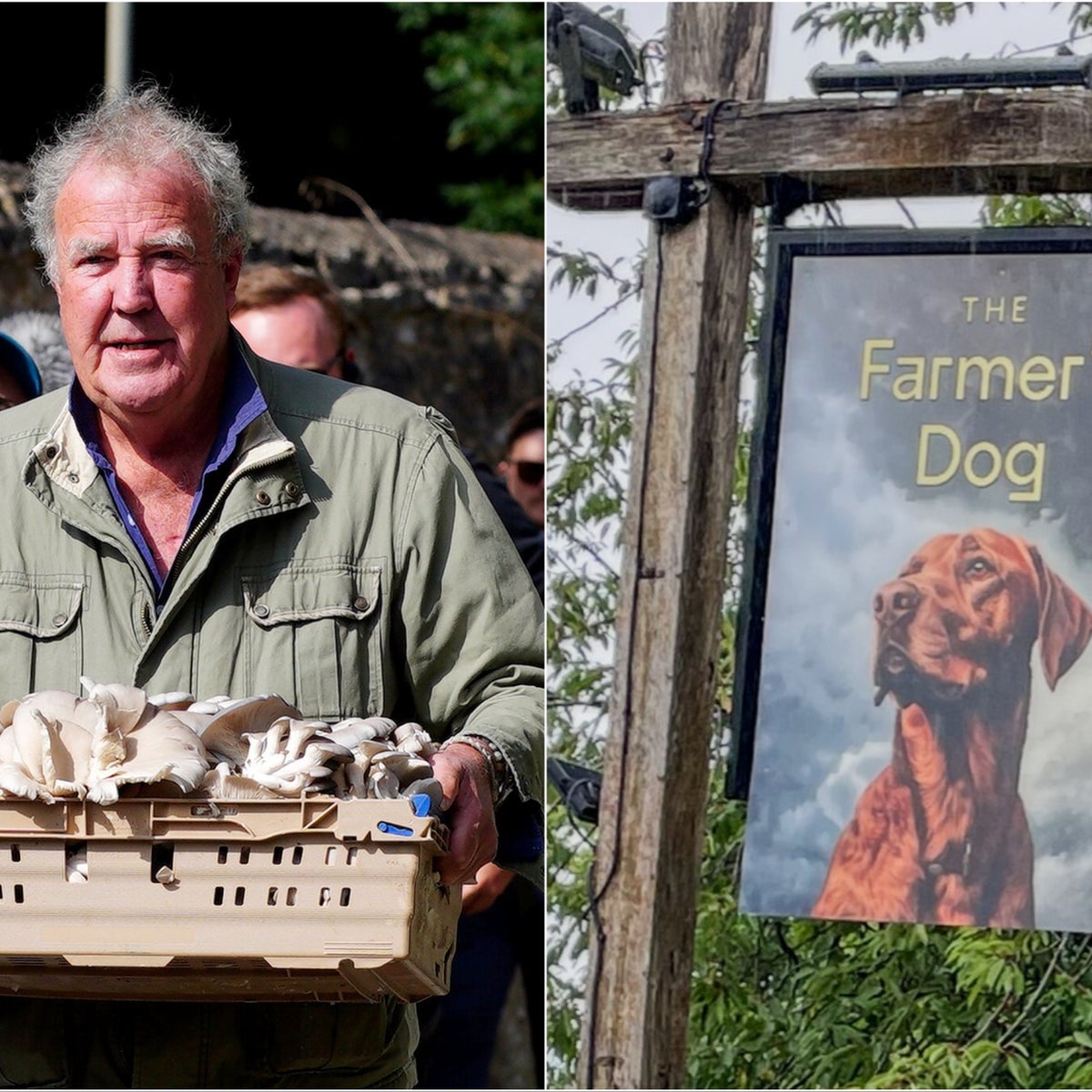
The Farmer’s Dog, formerly known as The Windmill, was purchased by Clarkson in the summer of 2024. His hurried efforts to renovate and reopen the pub were documented on Amazon Prime’s Clarkson’s Farm, where viewers watched the familiar pattern unfold: grand ambition colliding with the reality of planning regulations, local opposition, and logistical headaches.
Much like Clarkson’s now-infamous Diddly Squat Farm Shop, the pub quickly became a magnet for fans of the show, drawing visitors far beyond what local infrastructure was designed to handle. While this surge in popularity proved commercially beneficial, it also created serious challenges for surrounding roads and nearby villages.
Traffic Concerns at the Heart of the Dispute
According to planning documents cited by the Oxford Mail, council officers acknowledged that The Farmer’s Dog has generated an “unusual” level of traffic for a rural pub. Planning officer Kelly Murray highlighted concerns that visitors were contributing to congestion along the A40 and within the nearby village of Asthall.
“The number of visitors to the site is reportedly causing congestion along the A40 and also within the village of Asthall itself,” Murray stated in the official decision.
However, the council also made it clear that Clarkson’s celebrity status and the resulting public interest could not, in themselves, be grounds for refusing planning permission.
“Given the established lawful use of the venue as a pub and restaurant, it is not within the scope of the local planning authority’s planning powers to prevent impacts arising from the unusual level of public interest specific to this establishment,” Murray explained.
Why Parking Improvements Were Approved
.jpg?trim=0,0,0,0&crop=&width=640&quality=65)
Rather than rejecting the application, the council concluded that improving parking facilities was the most practical way to mitigate safety risks. Without adequate off-road parking, officials feared visitors would continue to park along the A40 or on narrow village roads leading into Asthall.
“It is clear to officers that safe and easily accessible parking must be available off-road in order to discourage the public from parking on the side of the A40, or on the road leading to Asthall,” the decision noted.
The planning report warned that alternative scenarios would likely endanger pedestrians, obstruct traffic, increase congestion, and damage roadside verges—ultimately harming the rural character of the area the council aims to protect.
In a pointed comparison, Murray referenced Clarkson’s Diddly Squat Farm Shop, which has repeatedly made headlines for traffic chaos and damaged verges caused by insufficient parking.
“Such a situation has arisen at Diddly Squat Farm which attracts a similarly high number of visitors,” she said, adding that its impact illustrates “the type and level of adverse impacts which are demonstrated as arising from inadequate public parking provision.”
Public Interest Tips the Balance
Despite acknowledging that expanding the pub’s parking facilities could cause minor harm to the surrounding landscape, the council ultimately ruled that the benefits outweighed the drawbacks.
The decision concluded that “the public interest in granting permission outweighs any slight harm caused” by the proposed works, effectively giving Clarkson the green light to move forward.
For Clarkson, the ruling represents a rare planning success after years of highly publicised clashes with local authorities. On Clarkson’s Farm, viewers have repeatedly seen him frustrated by red tape, zoning restrictions, and what he often portrays as overzealous bureaucracy.
A Familiar Battle for Clarkson
The planning saga surrounding The Farmer’s Dog echoes many of the conflicts that have defined Clarkson’s post–Top Gear career. Since purchasing Diddly Squat Farm, he has been locked in near-constant disputes over farm shops, restaurants, parking, signage, and land use—many of which have played out on television and in national headlines.
What sets this decision apart is its recognition that Clarkson’s popularity, while disruptive, is a reality that planning authorities must accommodate rather than resist outright. By approving the parking improvements, the council has effectively acknowledged that high visitor numbers are not a temporary phenomenon but a permanent feature of Clarkson’s businesses.
What Comes Next
With planning permission now secured, Clarkson can move ahead with surfacing both car parks, a change expected to improve safety, reduce roadside parking, and ease tensions with nearby residents. While the decision does not eliminate all challenges associated with operating a celebrity-owned venue in a rural setting, it removes a major operational obstacle.
For fans of Clarkson’s Farm, the outcome feels like a rare off-screen win for Clarkson—one that may not make for dramatic television, but carries real-world significance. For local authorities, it represents a pragmatic compromise between preserving rural character and managing the realities of modern tourism driven by global media exposure.
As Clarkson continues to expand his countryside ventures, one thing remains clear: wherever he goes, planning battles are never far behind. This time, however, the verdict has gone his way.