Jeremy Clarkson Confirms ‘Clarkson’s Farm’ Will Continue Despite Challenges – What Obstacles Is He Overcoming to Keep Filming?
Jeremy Clarkson Confirms ‘The Show Goes On’ for Clarkson’s Farm Amid Grueling Challenges
Jeremy Clarkson, the irreverent broadcaster turned farmer, has delivered a resolute update on the future of Clarkson’s Farm, the Amazon Prime Video series that has transformed him from a petrolhead into an unlikely champion of British agriculture. Writing in his latest column for The Sun, Clarkson declared, “The show must go on,” dispelling speculation about the series’ fate after a punishing year at his 1,000-acre Diddly Squat Farm in Chadlington, Oxfordshire. As filming for the fifth season wrapped this week, Clarkson offered a candid glimpse into the relentless grind of farming, the toll it takes on those who work the land, and his unwavering commitment to continue—both on the farm and on screen—despite the odds stacked against him.
Since its debut in 2021, Clarkson’s Farm has captivated millions with its blend of humor, heart, and hard truths about rural life. The series, which began filming in 2019, follows Clarkson—best known for his high-octane stints on Top Gear and The Grand Tour—as he navigates the steep learning curve of managing Diddly Squat, a sprawling property he purchased in 2008. Alongside his partner, Lisa Hogan, and a colorful cast including young farming prodigy Kaleb Cooper, stoic advisor Charlie Ireland, and the inimitable Gerald Cooper, Clarkson has turned the farm into a cultural phenomenon. From battling bureaucracy to wrestling with unpredictable weather, the show has peeled back the curtain on the realities of agriculture, earning praise for its authenticity and relatability. With four seasons already in the books and a fifth confirmed for release next spring, the series has become a beacon for viewers invested in the struggles and triumphs of British farmers.

This week’s announcement comes on the heels of a particularly brutal year at Diddly Squat, detailed in Clarkson’s column with his signature blend of wit and exasperation. The fifth season, he warns, will not be the “comedic festival of cute animals and laughter” fans might expect. Instead, it reflects a “conveyor belt of misery” that has tested the resolve of everyone involved. Clarkson recounts a litany of setbacks: a personal health scare that landed him in hospital after attempting to juggle a pub opening with last year’s harvest, crippling weather patterns that swung from torrential rains in 2024 to bone-dry drought in 2025, and a devastating case of bovine tuberculosis (TB) that claimed a pregnant cow. Add to that new government policies—specifically Chancellor Rachel Reeves’ Budget, which Clarkson claims will spike fertiliser costs, eliminate subsidies, and complicate farm inheritance—and the picture is one of an industry under siege.
“The hours are brutal, the government hates them, and they earn diddly squat,” Clarkson writes, echoing a sentiment that resonates across the UK’s farming community. He cites a sobering statistic: a loaf of bread sells for £1.50, yet the farmer who grows the wheat pockets just 11 pence, bearing all the risk for a pittance. A recent survey found that two-thirds of British farmers are contemplating quitting, worn down by long hours, financial strain, and bureaucratic hostility. For Clarkson, the challenges are personal as well as professional. The loss of a cow to TB—despite being pregnant with twins—left him standing in an empty barn, questioning the government’s “mess” of a policy that allows infected animals into the food chain. “It’s not just about the money,” he says. “It’s about the life you pour into this place.”
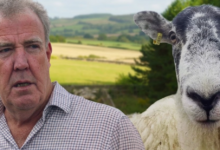

Yet, amidst the gloom, Clarkson’s update is a testament to resilience. While the fifth season will reflect the “knackering” reality of farming, he credits the show’s editors for their ability to unearth “nuggets of humour” that will keep viewers engaged. The Cotswolds’ stunning vistas, bathed in relentless sunshine, provide a picturesque backdrop to the struggle, and the camaraderie among the Diddly Squat crew—particularly Kaleb’s dry wit and Lisa’s unflappable pragmatism—promises moments of levity. “It’s likely there’ll be some laughs in season five,” Clarkson concedes, though he’s quick to emphasize the toll at the “coalface” of farming.
The question on every fan’s mind—will Clarkson’s Farm continue?—receives a defiant answer. “Are we carrying on? Well, we’ve sent the cameras away to give us a break from that side of things for a while,” Clarkson writes. “But yup. Kaleb’s out there now in his tractor, and after I’ve finished writing this, I’ll be joining him. The show goes on.” This commitment is no small feat, given the physical and emotional demands of farming, compounded by the scrutiny of being a public figure. Clarkson’s decision to keep going reflects not just his personal stake in Diddly Squat but also his role as a voice for an industry fighting for survival.
The announcement has sparked a wave of anticipation among fans, who have taken to platforms like X to express their excitement. “Clarkson’s Farm is more than a show—it’s a window into what farmers face every day,” one user posted. “Can’t wait for season five, even if it’s a tearjerker.” Others praised Clarkson’s candor, noting that his willingness to expose the harsh realities of agriculture—while still finding humor in the chaos—has made the series a standout in an era of polished reality TV. The show’s impact extends beyond entertainment, sparking conversations about food production, rural economies, and the need for policy reform.

For Clarkson, the journey from car enthusiast to farmer has been transformative. Once known for his brash critiques of horsepower and handling, he now grapples with soil health and livestock welfare, all while navigating the complexities of running a business under public scrutiny. His partnership with Kaleb, a local farmer half his age, has become the emotional core of the series, blending mentorship with mutual respect. Lisa Hogan’s steady presence, Charlie’s financial acumen, and Gerald’s cryptic wisdom round out a team that feels more like a family than a crew. Their collective efforts to make Diddly Squat profitable—whether through farm shop ventures, pig breeding, or experimental crops—have endeared them to viewers worldwide.
As Clarkson’s Farm prepares for its fifth season, it carries a weightier mission: to shine a light on an industry at a crossroads. The show’s blend of grit, humor, and heart has resonated with audiences far beyond the UK, from urbanites curious about their food’s origins to rural communities who see their own struggles reflected. While Clarkson hints at a temporary break from filming, his resolve to keep farming—and keep filming—signals that Diddly Squat’s story is far from over. “The show goes on,” he writes, a phrase that encapsulates both the perseverance of his team and the enduring appeal of a series that dares to tell it like it is.
When season five drops next spring, expect a raw, unfiltered look at farming’s highs and lows, set against the breathtaking backdrop of the Cotswolds. For Clarkson, Kaleb, and the rest of the Diddly Squat crew, the work continues—rain or shine, cameras or not. And for fans, that’s a promise worth celebrating.