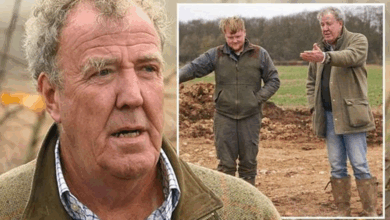
Clarkson’s Farm Has Evolved Beyond a TV Show — But Is It Actually Changing How Britain Sees Farming?
Clarkson’s Farm Is No Longer Just Entertainment — It Has Become a Mirror of British Agriculture
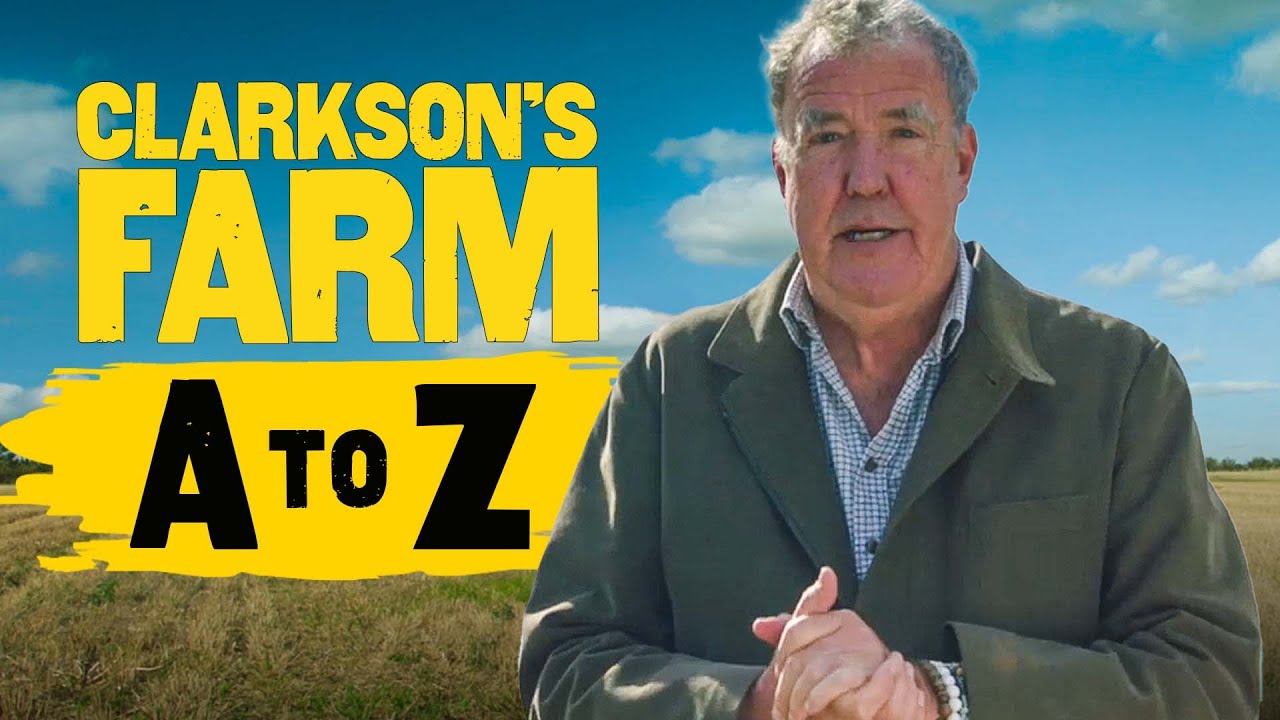
When Clarkson’s Farm first aired, it was easy to dismiss it as another Jeremy Clarkson side project: a loud, opinionated former Top Gear host stumbling through the countryside, arguing with sheep, machines, and common sense. The premise was simple and deliberately comedic — an aging TV personality buys a farm, hires locals, and inevitably makes a mess of things.
But four to five seasons later, the joke has quietly disappeared.
What remains is something far heavier: Clarkson’s Farm has evolved into an accidental but brutally honest portrait of the crisis facing British agriculture.
From Comedy Experiment to Unintended Documentary
In its early days, the show thrived on chaos. Clarkson’s lack of farming knowledge, his clashes with farm manager Kaleb Cooper, and his constant battles with weather and machinery were played for laughs. The farm felt like a playground where mistakes were temporary and money — at least from television — acted as a safety net.
That illusion has steadily eroded.
As the seasons progressed, the focus shifted away from Clarkson’s blunders and toward the systemic problems no amount of celebrity could fix. Poor harvests were no longer punchlines. Bureaucratic delays stopped being quirky obstacles. Financial losses became persistent, suffocating realities.
The humor is still there — but now it sits uncomfortably beside exhaustion, anxiety, and genuine fear about the future.
A Live Report on a Broken System

What makes Clarkson’s Farm resonate so deeply is not that Clarkson struggles — it’s that he struggles despite having advantages most farmers do not.
He has money. He has visibility. He has access to policymakers, media attention, and expert advice. And yet, even with all of that, the farm repeatedly teeters on the edge of failure.
The show exposes several structural issues plaguing British farming:
-
Unpredictable policy shifts that leave farmers unable to plan long-term
-
Subsidy systems that reward compliance over productivity
-
Distribution chains that squeeze growers while retailers remain insulated
-
Weather volatility intensified by climate change, destroying crops with no safety net
At times, the farm appears less like a business and more like a case study in bureaucratic endurance.
The Real Protagonists: Farmers Without a Platform
Ironically, as the show becomes more serious, Clarkson himself fades into the background.
The real emotional weight comes from the people around him — Kaleb, Charlie, Lisa, and neighboring farmers who openly discuss debt, burnout, and the sense that the system is designed for them to lose.
These are not dramatic confessionals manufactured for television. They are quiet admissions made by people who have already accepted that complaining changes nothing.
Clarkson often serves as the audience surrogate — shocked, frustrated, and increasingly angry as he realizes how little control farmers actually have over their own livelihoods.
When Fame Isn’t Enough
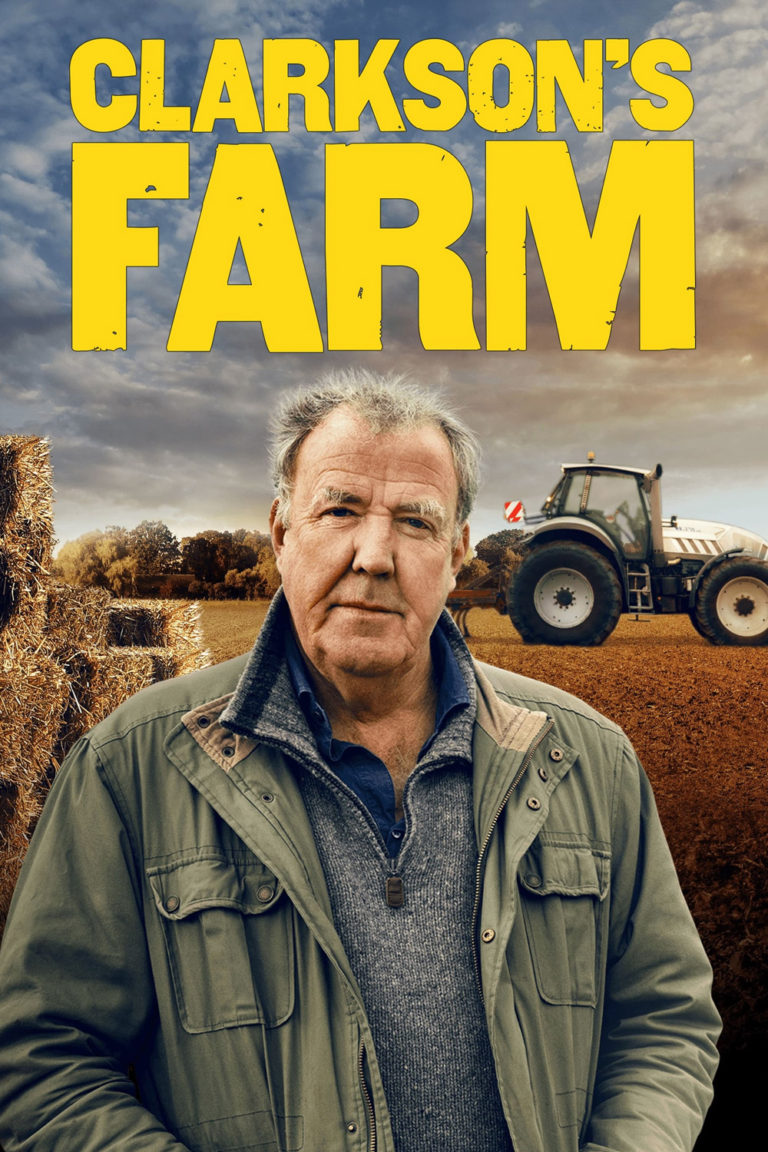
One of the most revealing aspects of the show is how frequently Clarkson fails to “win,” despite expecting to.
He argues with councils and loses. He challenges regulations and hits walls. He invests in diversification projects only to watch them get blocked or delayed. The message is clear: individual effort is no match for structural dysfunction.
This is where Clarkson’s Farm stops being entertainment and starts functioning as something else entirely — a public audit of agricultural policy.
Without intending to, the show asks uncomfortable questions:
-
If this is how hard it is for Jeremy Clarkson, how bad must it be for everyone else?
-
What happens when farming is no longer viable for the people meant to sustain it?
-
Who benefits when food production becomes a losing game?
A National Conversation Disguised as a TV Show
Perhaps the most striking transformation is how the show has shifted public perception.
Viewers who tuned in for comedy now find themselves discussing food supply chains, government accountability, and rural economics. Farmers — long ignored by mainstream media — suddenly see their daily frustrations reflected on one of the world’s biggest streaming platforms.
The result is rare: a television series that doesn’t preach, doesn’t campaign, and yet forces awareness simply by showing reality unfold.
Clarkson didn’t set out to make a political statement. But by documenting the farm honestly, he exposed a wound that had been festering for years.
More Than a Show — A Warning
Clarkson’s Farm no longer feels like a personal experiment or a celebrity hobby. It feels like a warning wrapped in entertainment packaging.
British agriculture is under strain. The people who grow food are being pushed to their limits. And if someone with Clarkson’s resources can barely keep afloat, the implications are hard to ignore.
What began as a comedy about an “old man playing farmer” has become something far more serious: a mirror reflecting the quiet collapse of a vital industry.
And that may be the show’s greatest — and most uncomfortable — achievement.