Clarkson’s Farm Trials Water Treatment to Fight bTB — Is This the Key to Beating bTB?
Water Treatment System Offers Hope in Battle Against bTB After Outbreak at Clarkson’s Farm
A groundbreaking water treatment system designed to provide clean water for livestock is generating optimism in the fight against bovine tuberculosis (bTB), a devastating disease that has plagued the UK’s cattle industry for decades. The FarmWater system, which utilizes chlorine dioxide to eliminate harmful microbes in water, is now being rolled out to dairy farms after demonstrating promising results in reducing disease risks. The system’s potential gained significant attention following a high-profile outbreak of bTB at Diddly Squat Farm, owned by TV presenter Jeremy Clarkson, as reported by Vet Times.
A New Tool to Combat bTB
Developed initially for the poultry sector, the vet-designed FarmWater system is now making waves in the dairy industry, offering a novel approach to reducing the risk of bTB in cattle. The system works by treating water supplies with chlorine dioxide, a powerful disinfectant known for its ability to eliminate bacteria, viruses, and fungi without leaving harmful residues. This is particularly significant for bTB, caused by the bacterium Mycobacterium bovis, which can persist in contaminated environments, including water sources, and potentially contribute to disease transmission.
Farm vet Phil Elkins, a former board member of the British Cattle Veterinary Association (BCVA) and British Veterinary Association (BVA) council member, highlighted the system’s potential during a webinar last month. He emphasized that while the FarmWater system is not a cure for bTB, it offers farmers a practical way to “control the controllables” in their efforts to mitigate disease spread. “It’s something that can be done with no negative effects to potentially help reduce that risk of bTB spread,” Elkins stated. “We’re not going to come out and say that you won’t have TB on your farm if you put the FarmWater system in place. But it does kill the active pathogen and, as a result, empirically, it should reduce the risk.”
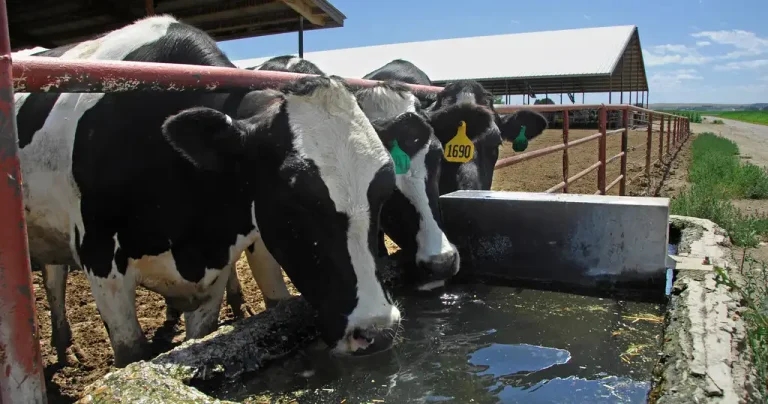
Elkins further noted that the system represents “a real opportunity to improve animal welfare, health, and productivity on a large scale.” The ability to provide clean, pathogen-free water could play a critical role in reducing the environmental reservoirs of Mycobacterium bovis, which can be transmitted through contaminated feed, water, or direct contact between animals.

Trial Results Show Promise
The FarmWater system’s efficacy is backed by encouraging results from a 12-month trial conducted at a Somerset dairy farm. According to the Devon-based company behind the system, the trial reported a 37% reduction in mastitis levels—a common and costly bacterial infection in dairy cows—and an impressive 81% decrease in overall bactoscan levels, which measure bacterial contamination in milk. These outcomes suggest that cleaner water supplies not only improve animal health but also enhance milk quality, a critical factor for dairy farmers facing stringent regulatory standards.
The use of chlorine dioxide in water treatment is well-established in other industries, such as food processing and municipal water systems, due to its broad-spectrum disinfection capabilities and minimal environmental impact. Unlike traditional chlorine treatments, chlorine dioxide is less corrosive, works effectively across a wide pH range, and does not produce harmful by-products like trihalomethanes, which are known carcinogens. Its ability to penetrate and destroy biofilms—protective layers of bacteria that can harbor pathogens like Mycobacterium bovis—makes it particularly effective for agricultural applications.

Clarkson’s Farm Outbreak Amplifies Urgency
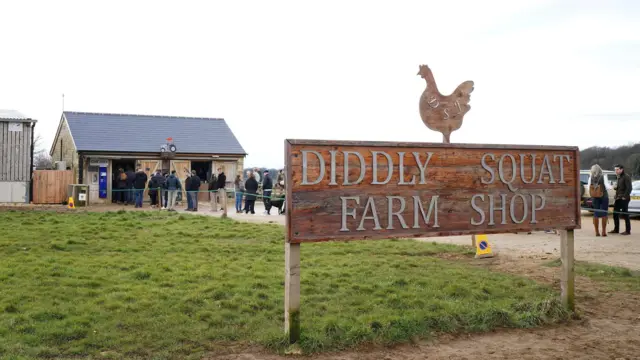
The significance of the FarmWater system was thrust into the spotlight when Jeremy Clarkson, the outspoken host of Clarkson’s Farm and former Top Gear presenter, announced that his Diddly Squat Farm in Oxfordshire had been struck by a bTB outbreak. In a post on X on July 31, 2025, Clarkson expressed his devastation, writing, “Bad news from Diddly Squat. We’ve gone down with TB. Everyone here is absolutely devastated.” He later clarified media reports, stating, “There’s some wholly irresponsible reporting about the bTB outbreak at Diddly Squat. The farm is NOT shut. We just can’t buy or sell any cows.”
The outbreak at Clarkson’s farm has reignited public and industry focus on bTB, a disease that costs the UK agricultural sector millions annually in testing, culling, and lost productivity. The timing of Clarkson’s announcement, coming shortly after Elkins’ webinar, underscored the potential of innovative solutions like FarmWater to address the ongoing challenge of bTB control.
The Broader bTB Debate
The fight against bTB has long been contentious, particularly regarding the role of badger culling in disease management. Nearly a year ago, the UK government signaled its intention to phase out the badger cull program within the current Parliament, opting instead for a new strategy focused on alternative control measures. However, the effectiveness of current efforts remains a point of debate. The Agriculture and Horticulture Development Board (AHDB) responded to Clarkson’s situation by asserting that existing measures are working, while the Badger Trust argued that Clarkson’s past comments about shooting badgers on his land suggest that badgers may not be the primary source of the outbreak.

Adding to the discussion, a BBC documentary featuring Queen guitarist Sir Brian May last summer raised questions about the role of hygiene practices in bTB transmission. The program highlighted research suggesting that Mycobacterium bovis in cattle feces could contaminate feed and water, facilitating disease spread. While the BCVA dismissed these claims as part of a “misleading” documentary, FarmWater’s poultry vet Ben South strongly advocated for prioritizing clean water supplies as a critical component of bTB control. “I don’t see why people aren’t looking at it more and doing something about it,” South remarked.
The Science Behind Chlorine Dioxide
Chlorine dioxide’s effectiveness as a disinfectant lies in its unique chemical properties. Unlike chlorine, which can form toxic by-products and is less effective against complex pathogens, chlorine dioxide is a powerful oxidizing agent that can absorb five electrons, making it highly efficient at neutralizing a wide range of microorganisms, including Mycobacterium bovis. It is also effective against biofilms, which are notoriously difficult to eliminate and can serve as reservoirs for pathogens in water systems.
In dairy farming, where water quality directly impacts animal health and milk production, chlorine dioxide offers additional benefits. It is non-corrosive, safe for equipment, and does not alter the taste or quality of milk, making it an ideal choice for sanitizing water troughs, milking equipment, and processing systems. Studies have shown that poor water quality can reduce milk yields by 10-20%, underscoring the importance of effective water treatment solutions like FarmWater.
A Step Toward a Healthier Future
While the FarmWater system is not a silver bullet for eradicating bTB, its ability to reduce microbial contamination in water supplies represents a promising step forward. By addressing one of the potential environmental pathways for disease transmission, the system empowers farmers to take proactive measures in protecting their herds. As the dairy industry continues to grapple with bTB and other challenges, innovations like FarmWater highlight the importance of integrating advanced technologies with traditional farming practices.
The outbreak at Clarkson’s Diddly Squat Farm serves as a stark reminder of the emotional and economic toll of bTB. As farmers, veterinarians, and researchers work together to combat this persistent disease, solutions like the FarmWater system offer hope for a future where clean water and improved hygiene can contribute to healthier livestock and more resilient farms.
What are your thoughts on the potential of water treatment systems like FarmWater in the fight against bTB? Share your comments below and join the conversation about the future of dairy farming.