Clarkson’s Farm Sparks a Surge in Agricultural College Applications – Could This Be a Turning Point for Farming Careers?
Clarkson’s Farm Sparks Surge in Agricultural College Applications
The unexpected influence of a reality television show has taken root in the world of agricultural education, with Jeremy Clarkson’s Clarkson’s Farm being credited for a notable increase in applications to agricultural colleges across the United Kingdom. The Amazon Prime series, which follows the former Top Gear host as he navigates the challenges of running a 1,000-acre farm called Diddly Squat in the Cotswolds, has not only entertained audiences but also inspired a new generation to pursue careers in farming and land management.
Since its debut in 2021, Clarkson’s Farm has aired four successful series, becoming one of Amazon Prime’s most popular offerings. The show’s blend of humor, candid struggles, and insights into the realities of modern farming has resonated with viewers, particularly younger audiences who are now expressing a growing interest in agricultural education. The program’s portrayal of Clarkson and his land manager, “Cheerful” Charlie Ireland, has highlighted the diverse roles within the agricultural sector, sparking curiosity about careers beyond traditional farming.
Surge in Applications at Royal Agricultural University
The Royal Agricultural University (RAU) in Cirencester, Gloucestershire, has reported a significant uptick in applications for its land management programs, attributing the rise to the “Clarkson effect.” According to data shared with The Times, applications for rural land management degrees at RAU have increased by 18% over the past year. Daniella Miles, head of recruitment at RAU, commented, “It’s clear that programs like Clarkson’s Farm are having a tangible impact on student interest.”

Breaking down the numbers, RAU noted that its three-year BSc degree in rural land management saw an 11% increase in applications, while the two-year foundation degree in the same field experienced a 14% rise. The most significant growth was observed in the three-year course that includes a farm placement, which surged by 18%. This suggests that students are particularly drawn to hands-on opportunities that mirror the practical experiences showcased on the show.
In contrast, applications for RAU’s agricultural degree courses have remained relatively stable, with a modest 4% increase over the same period. However, the version of the agricultural degree that includes a farm placement saw a more notable 8% rise, indicating that practical, real-world experience is a key motivator for prospective students. “The interest isn’t just limited to farming itself,” Miles explained. “We’re seeing enthusiasm for the broader spectrum of roles and courses involved in the agricultural industry, from land management to environmental stewardship.”
Wider Impact Across UK Institutions
The influence of Clarkson’s Farm extends beyond RAU, with other agricultural institutions reporting similar trends. Harper Adams University, a leading institution for agricultural education, has observed what it describes as a “ripple effect” in student interest. Representatives from the university noted an increase in attendance at open days, particularly citing the influence of “Cheerful Charlie” Ireland’s role on the show. His approachable demeanor and expertise in land management have made him a relatable figure for aspiring students, highlighting the importance of skilled professionals in the farming industry.
Plumpton College in East Sussex has also seen growth in its programs, though its principal, Jeremy Kerswell, attributes the increase to a combination of factors. While acknowledging the “Jeremy effect,” Kerswell emphasized that sustained investment in agricultural education and growing awareness of the sector’s importance have been critical drivers. “Over the past decade, our college has doubled in size,” he said. “There’s a lot of excellent educational practice happening across the country in agriculture and related fields, and student numbers are rising as a result.”

The Broader Appeal of Clarkson’s Farm
The success of Clarkson’s Farm lies in its ability to demystify the agricultural world while showcasing its challenges and rewards. The show follows Clarkson’s often humorous attempts to manage Diddly Squat, from battling unpredictable weather to navigating complex regulations. By highlighting the realities of farming—such as rising costs, environmental pressures, and the need for sustainable practices—the series has struck a chord with viewers who may have previously overlooked agriculture as a career path.
The program’s appeal is further amplified by its cast of characters, including Charlie Ireland, whose expertise and optimism have made him a standout figure. His role as a land manager has shed light on the diverse skill sets required in modern agriculture, from financial planning to environmental conservation. This broader perspective has encouraged young people to explore the multifaceted nature of the industry, beyond the traditional image of farming.
A Growing Interest in Sustainable Agriculture
The rise in applications also reflects a growing awareness of the importance of sustainable agriculture and land management in addressing global challenges such as climate change and food security. Clarkson’s Farm frequently touches on these issues, showcasing efforts to balance profitability with environmental responsibility. For many young viewers, this narrative has transformed agriculture into a dynamic and meaningful field, offering opportunities to make a tangible impact.
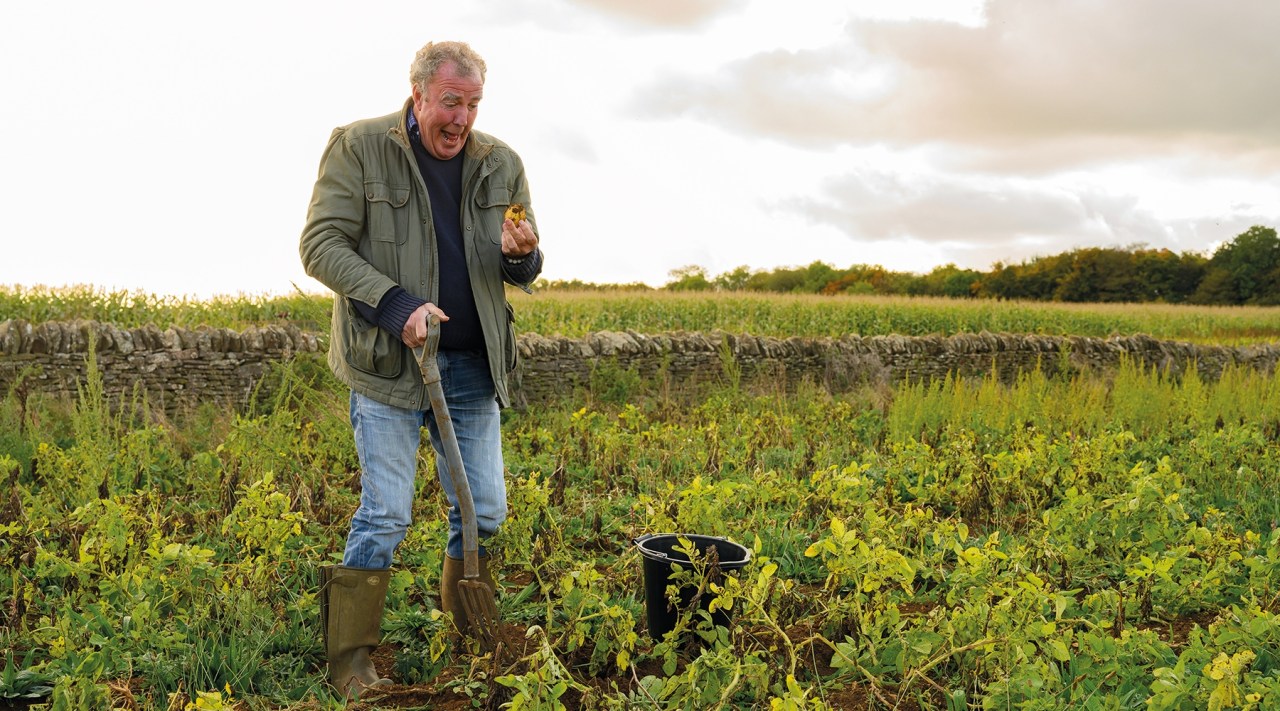
The show’s influence is particularly significant at a time when the agricultural sector is undergoing rapid transformation. Advances in technology, such as precision farming and data-driven land management, are reshaping the industry, creating demand for skilled professionals. Educational institutions are responding by offering programs that combine traditional agricultural knowledge with modern techniques, preparing students for a rapidly evolving job market.
Challenges and Opportunities Ahead
While the surge in applications is a positive development, it also highlights the need for continued investment in agricultural education. Colleges and universities must ensure that their programs remain relevant and accessible to meet the growing demand. Additionally, the industry itself faces challenges, including labor shortages, economic pressures, and the need to adapt to climate change. By inspiring a new generation of farmers, land managers, and agricultural professionals, Clarkson’s Farm is helping to address these challenges, but sustained efforts will be required to maintain this momentum.
For now, the “Jeremy effect” is proving to be a powerful force in reshaping perceptions of agriculture. What began as an entertaining experiment for a television personality has blossomed into a cultural phenomenon, encouraging young people to consider careers in an industry that is vital to the nation’s economy and environment. As Clarkson’s Farm continues to sow seeds of inspiration, the future of agricultural education looks promising, with a new wave of students eager to cultivate their skills and contribute to the field.