Clarkson’s Farm Proves the Power of the ‘Jeremy Effect’ – Will More Young People Follow His Path Into Farming?
Clarkson’s Farm Ignites a New Passion for Farming Among UK Youth
The phenomenon dubbed the “Jeremy effect,” inspired by the Amazon Prime series Clarkson’s Farm, is driving a remarkable surge in interest in agricultural careers among the younger generation in the United Kingdom. Former Top Gear host Jeremy Clarkson, now a prominent figure in British farming, has inadvertently become a catalyst for this newfound enthusiasm through his candid portrayal of life at Diddly Squat Farm in Oxfordshire. The show, which chronicles Clarkson’s transition from television personality to farmer, has not only entertained millions but also inspired a wave of applications to agricultural colleges across the country.
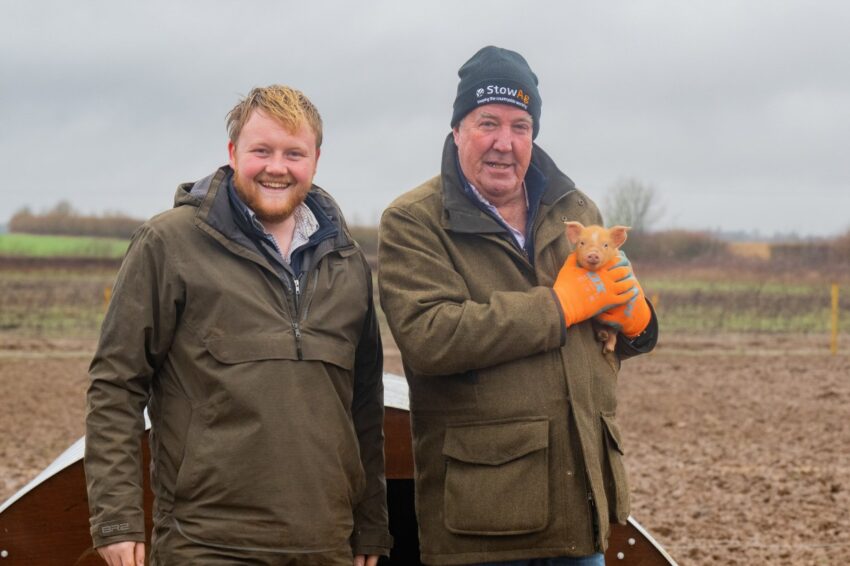
Clarkson purchased the 1,000-acre property, previously known as Curdle Hill Farm, in 2008. However, it wasn’t until 2019 that he took on the day-to-day management of the farm, a decision that would later be documented in the hit series Clarkson’s Farm. The show, now in its fourth season released earlier this year, offers an unfiltered look at the challenges and rewards of modern farming. From battling unpredictable weather to navigating complex agricultural regulations, Clarkson’s journey—alongside his team, including farm manager Kaleb Cooper and land agent Charlie Ireland—has resonated with audiences far beyond the rural communities typically associated with farming.
The impact of Clarkson’s Farm on the perception of agriculture has been profound, particularly among teenagers and young adults. According to Business Matters, the series has become a gateway for many young people exploring careers in land management and farming. Agricultural colleges across the UK are reporting significant increases in applications, with institutions like the Royal Agricultural University (RAU) in Gloucestershire noting an 11% rise in applications for its land management course. Similarly, Plumpton College in East Sussex has acknowledged the so-called “Jeremy effect” as a driving force behind the growing interest in their programs.
The appeal of Clarkson’s Farm lies not only in Clarkson’s larger-than-life personality but also in the authenticity of his co-stars. Kaleb Cooper, a young farmer with a no-nonsense approach, and Charlie Ireland, a seasoned land agent, have become role models for aspiring agriculturalists. Their contributions to the show have humanized the industry, showcasing the hard work, dedication, and expertise required to succeed in farming. For many viewers, particularly those without a farming background, the series has demystified the profession, making it an accessible and appealing career path.
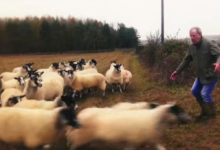
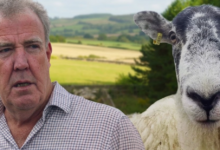

In response to this growing interest, Kaleb Cooper has taken a proactive role in supporting the next generation of farmers. He recently launched a bursary scheme at RAU aimed at helping students from non-farming backgrounds transition into agricultural studies. The initiative provides financial and mentorship support, addressing the barriers that often prevent newcomers from entering the industry. This effort underscores the broader cultural shift sparked by Clarkson’s Farm, which has not only highlighted the challenges of farming but also emphasized its importance to society.
Despite the enthusiasm surrounding the show, Clarkson has been vocal about the harsh realities facing the agricultural sector. Earlier this month, he took to social media to warn of a potentially “catastrophic” harvest in 2025 due to adverse weather conditions and other challenges. “It looks like this year’s harvest will be catastrophic,” he wrote. “That should be a worry for anyone who eats food.” His stark warning highlights the precarious nature of farming, where external factors like climate change, rising costs, and policy changes can have devastating effects on food production.
The surge in interest in agricultural education comes at a critical time for the UK’s farming industry, which faces ongoing challenges such as labor shortages, Brexit-related trade disruptions, and the impacts of climate change. By inspiring a new generation to pursue careers in agriculture, Clarkson’s Farm is helping to address the industry’s need for fresh talent. Colleges like RAU and Plumpton are adapting their curricula to meet the demands of modern farming, incorporating sustainable practices, technological innovations, and business management skills to prepare students for the complexities of the field.
The “Jeremy effect” extends beyond the classroom, influencing public perceptions of farming as a vital and dynamic industry. The show’s blend of humor, heart, and hard truths has sparked conversations about food security, rural life, and the importance of supporting local farmers. For many young viewers, Clarkson’s Farm has transformed farming from an overlooked profession into a calling that combines practical skills with a sense of purpose.
As the popularity of Clarkson’s Farm continues to grow, its impact on agricultural education and the broader industry is likely to endure. By shining a spotlight on the realities of farming, Jeremy Clarkson and his team have not only entertained audiences but also inspired a new generation to dig into the soil and embrace the challenges of feeding the nation.