Clarkson’s Farm Faces Fresh Scrutiny as Oxford Expert Pushes for TB Change – Could This Threaten Its Survival?
Oxford Scientist Calls for Urgent Action to Eradicate Bovine TB by 2038
An Oxford scientist has issued a stark warning that a dramatic shift in approach is essential to meet the UK government’s goal of eradicating bovine tuberculosis (TB) by 2038. The disease, which spreads from badgers to cattle and between cows, continues to wreak havoc on farming communities, costing taxpayers an estimated £100 million annually and leading to the compulsory slaughter of hundreds of thousands of badgers and cattle. This has sparked intense debate, with wildlife campaigners and farmers at odds over control measures.
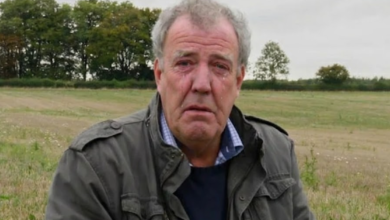
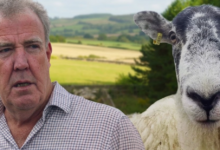
The issue gained public attention through Jeremy Clarkson’s Diddly Squat farm in Chadlington, Oxfordshire, which reported bovine TB cases, highlighting the disease’s devastating impact on farmers’ livelihoods and mental health. The popular TV personality’s experience, showcased in Clarkson’s Farm, has brought renewed focus to the emotional and economic toll of the disease, which affects both livestock and wildlife.
On Thursday, a group of leading scientists, including Professor Sir Charles Godfray from the University of Oxford, released an updated report on England’s bovine TB strategy, commissioned by the government. The report underscores the urgency required to achieve a TB-free status by 2038, warning that current efforts offer only a “small chance” of success without significant changes in strategy and resource allocation.
“Bovine TB is a complex and persistent challenge,” said Sir Charles. “While it’s technically possible to eliminate the disease by 2038, it will require a step change in how we approach it—both in terms of urgency and the resources we commit. The financial burden on taxpayers and farmers is substantial, with £100 million spent annually in England alone. Beyond the economic cost, the disease takes a heavy toll on farmers’ mental health and affects wildlife populations, particularly badgers.”

Drawing a comparison to the rapid, coordinated response to the Covid-19 pandemic, Sir Charles emphasized the need for a similar “concentration of effort” to tackle bovine TB. “During the pandemic, we saw what was possible when resources, innovation, and urgency were aligned,” he noted. “We need an equivalent push for bovine TB—a disease that not only impacts agriculture but also raises ethical questions about wildlife management.”
The Controversy Over Badger Culling
Badger culling has been a cornerstone of the government’s bovine TB control strategy for years, but it remains deeply controversial. Wildlife advocates, including prominent figures like Queen guitarist Sir Brian May, argue that culling is inhumane and disrupts ecosystems. In response to growing pressure, ministers announced earlier this year a commitment to phase out badger culling before the next general election, a move welcomed by animal welfare groups but met with skepticism by some farmers who rely on culling to protect their herds.
The scientists’ report suggests that achieving the 2038 target without culling is possible but will demand significant investment in alternative measures. These include badger vaccination programs, improved biosecurity on farms, and stricter cattle testing and movement controls. The report also highlights the need for faster progress in developing and licensing a cattle vaccine, which could be a game-changer in reducing TB transmission.
“Vaccination for badgers and potentially for cattle offers a promising path forward,” Sir Charles explained. “But these solutions require not only scientific innovation but also logistical and financial commitment. Streamlining the licensing process for a cattle vaccine, for instance, could significantly accelerate progress.”
A New Strategy on the Horizon
Farming Minister Daniel Zeichner acknowledged the challenges ahead but expressed optimism about the government’s commitment to tackling bovine TB. “We are fully aware of the difficulties this disease presents to farmers, taxpayers, and wildlife,” Zeichner said. “Early next year, we will publish a comprehensive new strategy outlining how we plan to achieve TB-free status by 2038. Sir Charles Godfray’s independent report will play a critical role in shaping this strategy, and we will carefully consider its recommendations.”
The report emphasizes that non-lethal measures, such as enhanced biosecurity and vaccination, must be scaled up significantly to replace culling. Biosecurity measures include improving farm infrastructure to prevent contact between cattle and badgers, such as secure fencing and better waste management. However, these measures come with their own challenges, including high costs and the need for widespread farmer cooperation.
The Human and Economic Toll
The financial cost of bovine TB is staggering, with taxpayers and the farming community each shouldering roughly £100 million annually in England. For farmers, the disease means not only the loss of livestock but also restrictions on cattle movement and trade, which can cripple businesses. The emotional impact is equally severe, with farmers facing stress and uncertainty as they navigate outbreaks and government regulations.

Jeremy Clarkson’s experience at Diddly Squat farm has resonated with many, shedding light on the personal struggles of farmers dealing with TB. The disease’s ripple effects extend beyond agriculture, raising ethical questions about the balance between protecting livestock and preserving wildlife.
Looking Ahead
As the government prepares to unveil its updated bovine TB strategy, stakeholders are calling for a collaborative approach that addresses the needs of farmers, wildlife advocates, and taxpayers. The scientists’ report underscores that success will depend on a combination of innovation, investment, and urgency. While the 2038 target is ambitious, it remains within reach if decisive action is taken.
For now, the focus remains on bridging the gap between competing interests—farmers seeking to protect their livelihoods, campaigners advocating for humane solutions, and a government aiming to balance economic and ethical priorities. As Sir Charles Godfray and his team have made clear, the path to a TB-free England is fraught with challenges, but with a concerted effort, it is a goal worth pursuing.