Kemi Badenoch and Nigel Farage Challenge Andy Burnham Over General Election as Keir Starmer Resigns
Kemi Badenoch and Nigel Farage Challenge Andy Burnham Over General Election as Keir Starmer Resigns
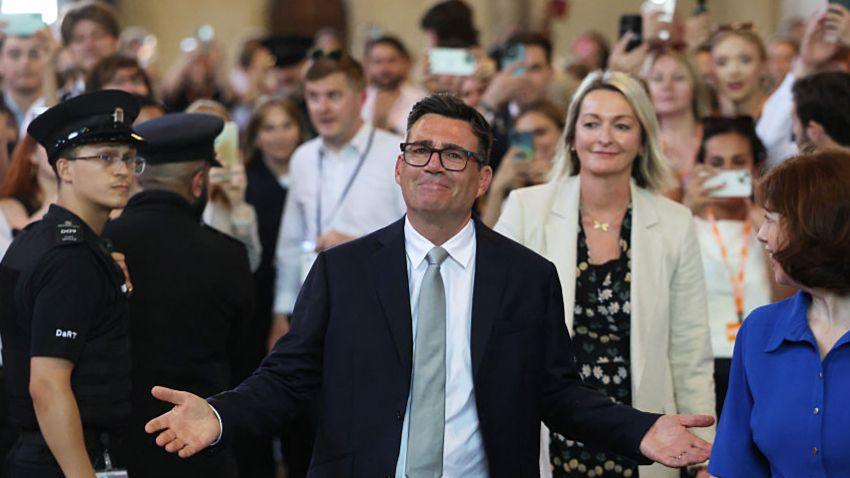
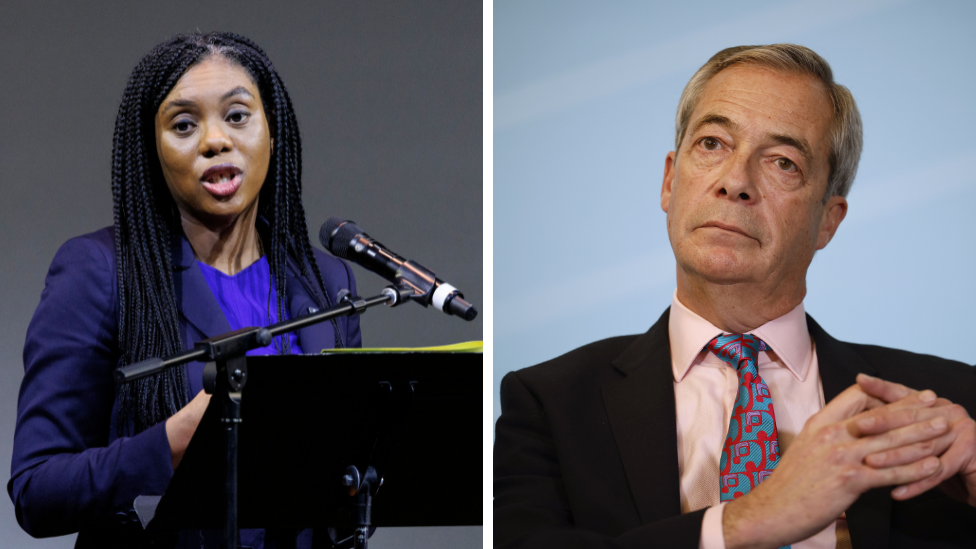
Kemi Badenoch and Nigel Farage have intensified pressure on Andy Burnham following Sir Keir Starmer’s dramatic resignation as Prime Minister and Labour leader, demanding a general election to address what they describe as a deepening crisis in national governance and security. The Conservative leader and the Reform UK chief have seized on the political vacuum created by Starmer’s departure, arguing that any transition to Burnham without a fresh mandate from voters would undermine democratic accountability at a critical time for Britain. With Burnham sworn in as an MP for Makerfield and widely expected to replace Starmer within weeks, the opposition’s calls have thrust the question of electoral timing into the heart of Westminster’s unfolding drama.
Starmer’s resignation, announced amid mounting internal party discontent and poor local election performances, marks a swift end to his tenure less than two years after Labour’s landslide victory. In an emotional address, the outgoing Prime Minister outlined a timetable for his exit, remaining in office until a new Labour leader is chosen, potentially by early September. However, Burnham’s swift confirmation that he would stand for the leadership, combined with strong backing from key figures, has accelerated expectations that he could become Prime Minister by mid-July. The former Greater Manchester Mayor’s return to Parliament via a by-election victory has positioned him as the clear frontrunner, yet his reluctance to immediately commit to calling a general election has fueled opposition attacks.
Kemi Badenoch has been particularly vocal, linking Starmer’s resignation directly to national security failures and insisting that Burnham must demonstrate a credible plan to fund defence spending or face an immediate public vote. The Conservative leader highlighted concerns over Starmer’s appointments, including Peter Mandelson in a senior intelligence-related role, and Britain’s reliance on foreign oil imports as vulnerabilities that demand urgent attention. “If Andy Burnham is not able to fund the defence investment plan, then we should have a general election,” Badenoch stated, framing the issue as fundamental to the country’s safety rather than mere political opportunism. Her intervention underscores the Conservatives’ strategy to portray Labour’s internal turmoil as evidence of broader governmental incompetence.
Nigel Farage, never one to shy away from bold demands, has echoed the call for a snap election, declaring that the British people have “had enough” of parties repeatedly changing leaders without consulting voters. The Reform UK leader argued that Britain cannot afford further political drift amid economic pressures and cultural challenges, positioning his party as the force ready to “fix broken Britain.” Farage’s intervention amplifies the sense of instability, with Reform consistently polling strongly and capitalizing on voter disillusionment with the major parties. His message resonates particularly in regions where traditional Labour support has eroded, adding weight to the argument that any new Prime Minister lacking a personal mandate should seek one promptly.
Burnham’s response to these challenges has been measured but non-committal. Upon being sworn in as MP, he prioritized the immediate process of assuming his parliamentary role while acknowledging the broader transition. When pressed on the possibility of an election, Burnham suggested that questions about timing were premature, focusing instead on his leadership bid and the need for an orderly handover. His supporters highlight his popularity, devolution credentials, and appeal in the North as assets that could stabilize Labour. However, critics within and outside the party question whether he can unite a fractured movement while addressing the fiscal and security issues raised by the opposition.
The prospect of Burnham becoming Prime Minister by mid-July raises profound constitutional and political questions. Britain would see its seventh Prime Minister in roughly a decade, a period of remarkable turbulence that has tested public faith in institutions. A leadership contest within Labour could be abbreviated given Burnham’s momentum, bypassing a prolonged process that Starmer initially appeared to favor. Yet the absence of a fresh general election means the next occupant of No. 10 would inherit power without a direct personal mandate from the electorate, a point opposition figures are relentlessly exploiting.
Badenoch’s emphasis on defence and national security taps into longstanding concerns about military investment, energy independence, and foreign influence. By tying these to Starmer’s record and Burnham’s potential leadership, she aims to shift the narrative from internal Labour drama to questions of competence in protecting British interests. Farage’s broader “fix broken Britain” platform encompasses immigration, economic reform, and cultural issues, appealing to voters frustrated with the status quo. Together, their interventions have dominated the immediate aftermath of Starmer’s resignation, forcing Burnham and Labour to defend the legitimacy of their succession plan.
For Burnham, the coming days represent both opportunity and risk. His track record as a popular regional leader and his appeal as a relatable, working-class voice offer strengths in a party seeking reconnection with its base. However, navigating defence spending commitments, economic recovery, and party unity under intense scrutiny will test his mettle. The Labour leadership process, while seemingly tilted in his favor, must still navigate formalities that could invite further challenges or delays.
The wider political landscape reflects deep volatility. With Reform UK performing strongly in polls and the Conservatives regrouping under Badenoch, the traditional two-party dominance faces significant pressure. Calls for an election reflect not only tactical positioning but also genuine unease about governance continuity. Parliament’s eventual return in September provides a natural deadline, yet opposition demands could intensify if Burnham assumes office without broader consultation.
This episode underscores the fragility of recent British political stability. Starmer’s departure after a relatively short tenure highlights the intense pressures facing modern leaders, from internal rebellions to public discontent. As Burnham prepares for potential elevation, the challenges of funding defence, managing alliances, and restoring public trust loom large. Whether he can consolidate power without triggering an election will shape not only his premiership but the trajectory of UK politics in the years ahead.
The coming weeks promise intense maneuvering in Westminster. Badenoch and Farage have successfully framed the narrative around accountability and urgency, placing the onus on Burnham to justify continuity without a fresh vote. For millions of voters, the debate transcends personalities, touching on fundamental questions about democracy, security, and effective governance in uncertain times. As the leadership transition unfolds, Britain watches closely to see whether stability or further upheaval will define the next chapter.