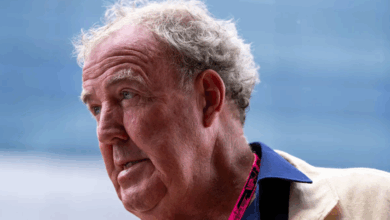
Jeremy Clarkson Admits Pub Life Is ‘Harder Than Anything’ — Especially After Facing Another Crisis on Top of a £27,000 Hack. Can It Survive?
Jeremy Clarkson’s Pub Hit by £27,000 Hack and Food Intolerance Scam
Jeremy Clarkson, the 65-year-old star of Clarkson’s Farm and former Top Gear presenter, is no stranger to challenges, whether battling bureaucracy at Diddly Squat Farm or navigating the stormy seas of public opinion. But his latest venture, The Farmer’s Dog pub in Asthall, Oxfordshire, has brought a new set of trials that have left him questioning the hospitality business altogether. In a series of columns for The Times and The Sun, Clarkson revealed that his pub has been hit by a devastating £27,000 cyberattack and a fraudulent compensation claim from a customer alleging a food intolerance, underscoring the relentless difficulties of running a pub. These incidents not only threaten the financial viability of The Farmer’s Dog but also cast a shadow over Clarkson’s ambitious foray into the hospitality industry, raising questions about its sustainability and impact on the Clarkson’s Farm brand.
A Costly Cyberattack
The Farmer’s Dog, which Clarkson purchased for £1 million and opened in August 2024 after a renovation featured in Clarkson’s Farm Season 4, was targeted by cybercriminals just weeks ago. Writing in The Sun, Clarkson disclosed that hackers breached the pub’s accounting system, siphoning off £27,000 in a sophisticated attack. “We are told similar attacks were launched in recent months on both M&S and the Co-op,” he wrote, noting that his pub’s plight went largely unnoticed compared to these corporate giants. “But no one thought to mention that my pub, The Farmer’s Dog, has been hit too.” The theft, part of a broader wave of cybercrime affecting British businesses like Jaguar Land Rover and Harrods, highlights the vulnerability of small enterprises to digital fraud.

The financial blow is particularly stinging for a new business like The Farmer’s Dog, which is still finding its footing. The pub, designed to serve locally sourced food and drinks from Clarkson’s farm, including his Hawkstone beer, is a key extension of the Diddly Squat brand. Losing £27,000 could strain cash flow, especially given the high costs of running a pub—Clarkson has cited £100 daily for generator fuel, £400 weekly for terrace heating, and £27,000 monthly for parking and traffic marshals to comply with council regulations. Such a loss could force Clarkson to scale back operations or raise prices, potentially alienating customers drawn by the pub’s rustic charm and Clarkson’s Farm fame.
A Fraudulent Food Intolerance Claim
As if the cyberattack wasn’t enough, Clarkson faced another headache when a customer attempted to exploit the pub with a fraudulent compensation claim. In his Times column, he detailed an incident involving a woman who claimed she was served beer instead of cider, triggering a gluten intolerance that allegedly ruined her holiday. She demanded thousands in damages, a claim Clarkson described as part of a growing “epidemic” of food intolerance fraud targeting pubs. “What happens a lot more are visits from food intolerance enthusiasts who will claim after they left that you poisoned them and that you must now give them 50,000 of your pounds,” he wrote.
Fortunately, Clarkson’s team had CCTV footage proving the woman consumed cider, not beer, allowing them to dismiss the claim. “We are safe on that one,” he noted, “but often landlords aren’t so lucky.” The incident underscores a broader issue in the hospitality industry, where fraudulent claims can drain resources and time. For The Farmer’s Dog, defending against such scams requires vigilance and investment in security measures like CCTV, adding to the operational burden. The threat of similar claims could deter Clarkson from expanding the pub’s offerings or make him wary of customer interactions, potentially harming its welcoming atmosphere.

The Struggles of Pub Ownership
Clarkson’s foray into the hospitality industry was inspired by actor Rupert Everett’s efforts to save his local pub, but the reality has been far from romantic. “It’s harder than anything,” Clarkson wrote in The Times, comparing the challenges to his farming endeavors on Clarkson’s Farm. Beyond the cyberattack and fraud attempt, he’s dealt with rowdy patrons, property damage, and even physical altercations. One memorable anecdote involved a woman who, after drinking too much Hedgerow cider, vomited into her own cleavage and handed the mess to the pub’s manageress. Another incident saw two fathers brawling over a stolen pine cone, while a child locked herself in a toilet stall, prompting customers to dismantle the door with a crowbar.
These incidents, while sometimes humorous, highlight the chaotic nature of pub ownership. Clarkson’s dream of creating a rural idyll—where he can sip his own beer and enjoy farm-fresh pizza in the garden—has been marred by relentless setbacks. In June, he told The Times, “I am not starting another business as long as I live. I don’t understand it and am not motivated by money. I just want a good craic.” The mounting challenges could push Clarkson to reconsider the pub’s future, potentially scaling back or even selling it, which would be a blow to fans who see The Farmer’s Dog as an extension of the Clarkson’s Farm universe.
Risks to Clarkson’s Farm and Its Legacy
The troubles at The Farmer’s Dog pose significant risks to the broader Clarkson’s Farm brand. The pub, featured prominently in Season 4, is a tangible link between the show and its audience, drawing fans to experience Diddly Squat’s ethos firsthand. A cyberattack and fraudulent claims not only drain resources but also risk negative publicity that could deter visitors. If financial pressures force the pub to close or limit operations, it could disrupt the show’s narrative, which thrives on Clarkson’s ambitious projects, from brewing beer to opening farm shops. Fans have already seen the emotional toll of setbacks like failed piglet breeding; a failing pub could further strain the show’s optimistic tone.

Moreover, the scandals could impact the show’s reputation. Clarkson’s Farm has been praised for its authentic portrayal of rural life, but repeated controversies—combined with other recent issues, like the pub’s reported thefts of 104 glasses in a single day—might paint a picture of mismanagement. This could alienate viewers or sponsors, especially if Discovery or Prime Video perceives the brand as tarnished. The show’s success relies on its relatability and Clarkson’s larger-than-life persona; any erosion of trust could reduce its appeal, particularly as it competes with other reality TV formats.
A Glimmer of Hope Amid Hardship
Despite the challenges, Clarkson finds moments of joy in running The Farmer’s Dog. “Of course there are good days,” he wrote in The Times. “Last week, I sat in the garden, in the sunshine, with a pint of my own beer, chowing down on a pizza made with dough from my own farm, and it was rural perfection.” These glimpses of success—coupled with the pub’s popularity, evidenced by long queues outside—suggest that The Farmer’s Dog has potential to thrive if Clarkson can navigate its pitfalls. His partnership with Lisa Hogan and farmhand Kaleb Cooper, both fan favorites, adds resilience to the venture, as their involvement ensures continuity with the Clarkson’s Farm ethos.
For now, Clarkson remains defiant, using his platform to highlight issues like food intolerance fraud and cybercrime that affect small businesses. His candid columns resonate with fans, reinforcing his image as a relatable underdog battling against the odds. However, the future of The Farmer’s Dog—and its role in Clarkson’s Farm—hinges on overcoming these setbacks. If Clarkson can strengthen security, both digital and physical, and maintain the pub’s charm, it could remain a cornerstone of his rural empire. Otherwise, the dream of rural perfection may prove as elusive as a calm day in the Cotswolds.