Jeremy Clarkson ordered to make a huge change at his Cotswolds farm – What will this mean for Diddly Squat?
PETA Urges Jeremy Clarkson to Transform Diddly Squat Farm Amid Bovine TB Crisis
Jeremy Clarkson, the former Top Gear and The Grand Tour presenter, is facing mounting pressure to overhaul operations at his Diddly Squat Farm in the Cotswolds following a devastating outbreak of Bovine Tuberculosis (bTB). The 1,000-acre farm, originally purchased as Curdle Hill Farm in 2008, has become the heart of Clarkson’s hit Amazon Prime series Clarkson’s Farm, which has captivated audiences across four seasons by documenting the trials and triumphs of modern farming. However, recent challenges, including the bTB outbreak and a projected “catastrophic” harvest, have cast a shadow over the farm’s future, prompting calls for change from animal welfare advocates and others in the industry.
Bovine TB Outbreak Hits Diddly Squat
In late July 2025, Clarkson shared the grim news via a post on X: “Bad news from Diddly Squat. We’ve gone down with TB. Everyone here is absolutely devastated.” He later clarified that the outbreak involved Bovine TB, a chronic respiratory disease caused by the bacterium Mycobacterium bovis, which primarily affects cattle but can also infect other mammals such as badgers, deer, goats, and pigs. “It’s Bovine TB that we have. It doesn’t affect people, just our poor cows,” Clarkson added, addressing concerns about human health risks. The outbreak has forced the farm into lockdown, prohibiting the buying or selling of cattle for two months until further testing can be conducted.

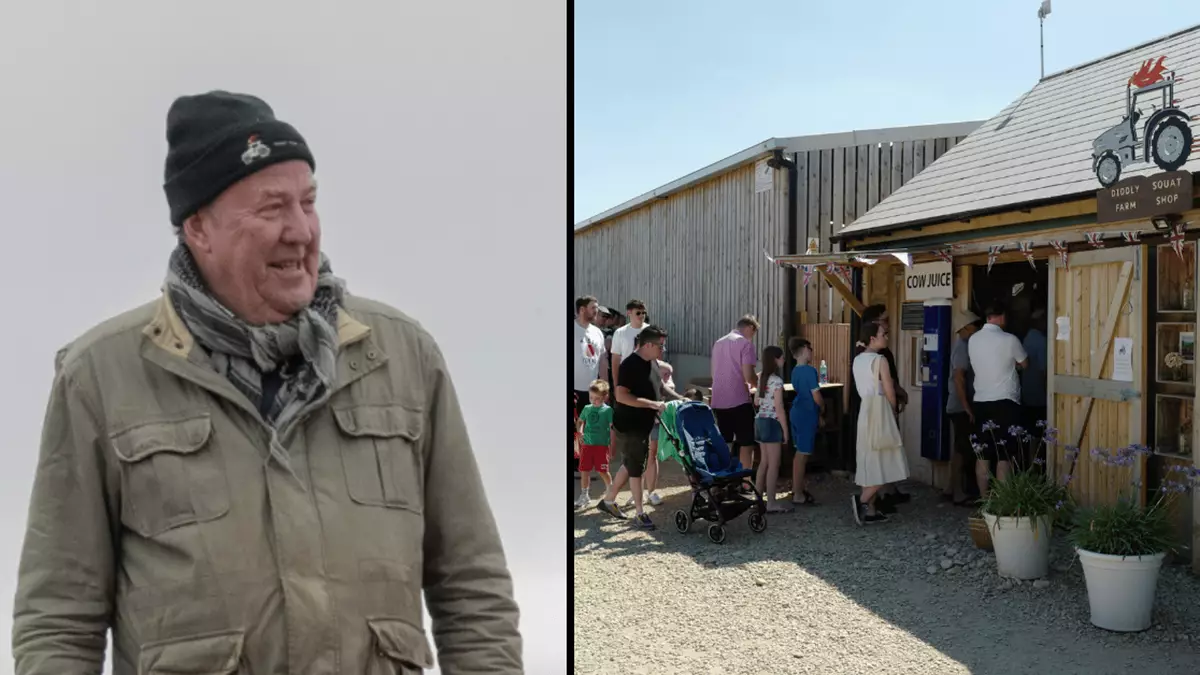
The impact of bTB is profound, requiring the culling of infected animals under UK law to prevent further spread. Clarkson revealed that one of the affected cows was pregnant with twins, adding an emotional toll to the already significant financial and operational challenges. He also expressed concern for his prize-winning Aberdeen Angus bull, Endgame, whose test results were inconclusive, leaving its fate uncertain. “I couldn’t bear it if we lost him,” Clarkson told a follower on X. The disease, which spreads through respiratory droplets, saliva, urine, feces, or milk, is a major issue for the UK farming industry, with 22,934 cows culled in England between October 2021 and September 2022 due to bTB incidents.
PETA’s Call for a Plant-Based Future
In response to the outbreak, People for the Ethical Treatment of Animals (PETA) seized the opportunity to advocate for a dramatic shift in Diddly Squat’s operations. In a letter sent to Clarkson, the organization urged him to cease animal farming and transform the farm into an animal sanctuary, focusing instead on his existing mushroom and vegetable production. PETA’s Vice President of Vegan Corporate Projects, Dawn Carr, stated, “As Jeremy Clarkson knows, cows and other animals suffer immensely when they’re confined and killed for their flesh, milk, or eggs. By turning Diddly Squat into a sanctuary and growing only plants, he could help inspire a farming revolution and show the world that kindness is the future of agriculture.”
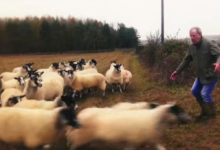
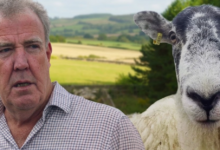
To incentivize Clarkson, PETA proposed making him the ambassador for their new website, BritishFarming.org, which promotes sustainable, plant-based farming to reduce animal suffering, protect the environment, and support rural communities. The organization framed the bTB outbreak as a “turning point” for Clarkson, encouraging him to “lean into your mushroom and vegetable farming and let Diddly Squat Farm evolve into a sanctuary for both you and the animals still housed there. No more killing. No more heartache.” This proposal aligns with PETA’s broader mission to eliminate animal agriculture, though it has sparked debate given Clarkson’s public commitment to traditional farming practices as depicted on his show.

Other Voices Weigh In
PETA is not the only group to reach out to Clarkson in the wake of the crisis. Brian May, the renowned guitarist of Queen and founder of the Save Me Trust, also contacted the presenter through the charity’s co-founder, Anne Brummer. The outreach, reported by the Daily Express, is notable given Clarkson and May’s past disagreements over badger culling, a controversial method used to control bTB spread. Clarkson has previously criticized badgers, stating in 2023 to The Daily Mail, “Do not be fooled by Brian May. This is what badgers do. This is how much heartache they’re causing to people who’ve worked for generations to build up a farm that’s been wiped out by badgers.” Despite this tension, the Save Me Trust’s gesture suggests a willingness to engage constructively, though details of their communication remain private.
A “Catastrophic” Harvest Looms
The bTB outbreak is just one of several challenges facing Diddly Squat. Clarkson recently warned that this year’s harvest is expected to be “catastrophic” due to adverse weather conditions, including excessive rain in 2024 and drought in 2025. “That should be a worry for anyone who eats food,” he posted on X, highlighting the broader implications for food security. “If a disaster on this scale had befallen any other industry, there would be a lot of wailing and gnashing of teeth.” Responding to a follower who asked whether the farm could survive without income from adjacent businesses like his farm shop and pub, Clarkson was blunt: “Not a cat in hell’s chance.” These setbacks underscore the precarious nature of farming, where external factors like weather and disease can devastate livelihoods.

The Broader Context of Clarkson’s Farm
Clarkson’s Farm has not only brought attention to the realities of agriculture but also inspired a surge in interest in the industry, with agricultural colleges reporting increased applications attributed to the “Jeremy effect.” The show’s raw depiction of farming challenges, from regulatory hurdles to emotional losses, has resonated with viewers, making Diddly Squat a symbol of the modern farmer’s struggle. However, the bTB outbreak and harvest issues highlight the harsh realities that even a high-profile farm cannot escape. Oxfordshire, where Diddly Squat is located, is an “edge area” for bTB, requiring biannual testing, which adds to the operational burden.
Looking Ahead
As Clarkson navigates these challenges, the future of Diddly Squat remains uncertain. The farm shop remains open to visitors, providing some financial relief, but the lockdown on cattle movement and the looming harvest losses pose significant hurdles. PETA’s proposal, while ambitious, is likely to face resistance from Clarkson, whose series has emphasized the importance of livestock farming to his operation and identity as a farmer. Meanwhile, the involvement of figures like Brian May suggests that the bTB crisis could spark broader conversations about disease management and animal welfare in agriculture.
With a fifth season of Clarkson’s Farm already commissioned, viewers can expect these challenges to feature prominently, offering a candid look at the resilience required to sustain a farm in crisis. For now, Clarkson and his team are left to grapple with the emotional and financial toll of the bTB outbreak, a stark reminder of the fragility of farming in the face of disease and environmental pressures.