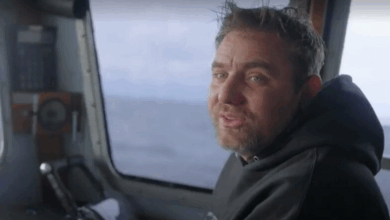
The Wizard Pummeled by 35-Foot Monster Waves as Crew Members Injured – Can They Survive This Onslaught?
The Wizard Pummeled by 35-Foot Monster Waves as Crew Members Injured – Can They Survive This Onslaught?
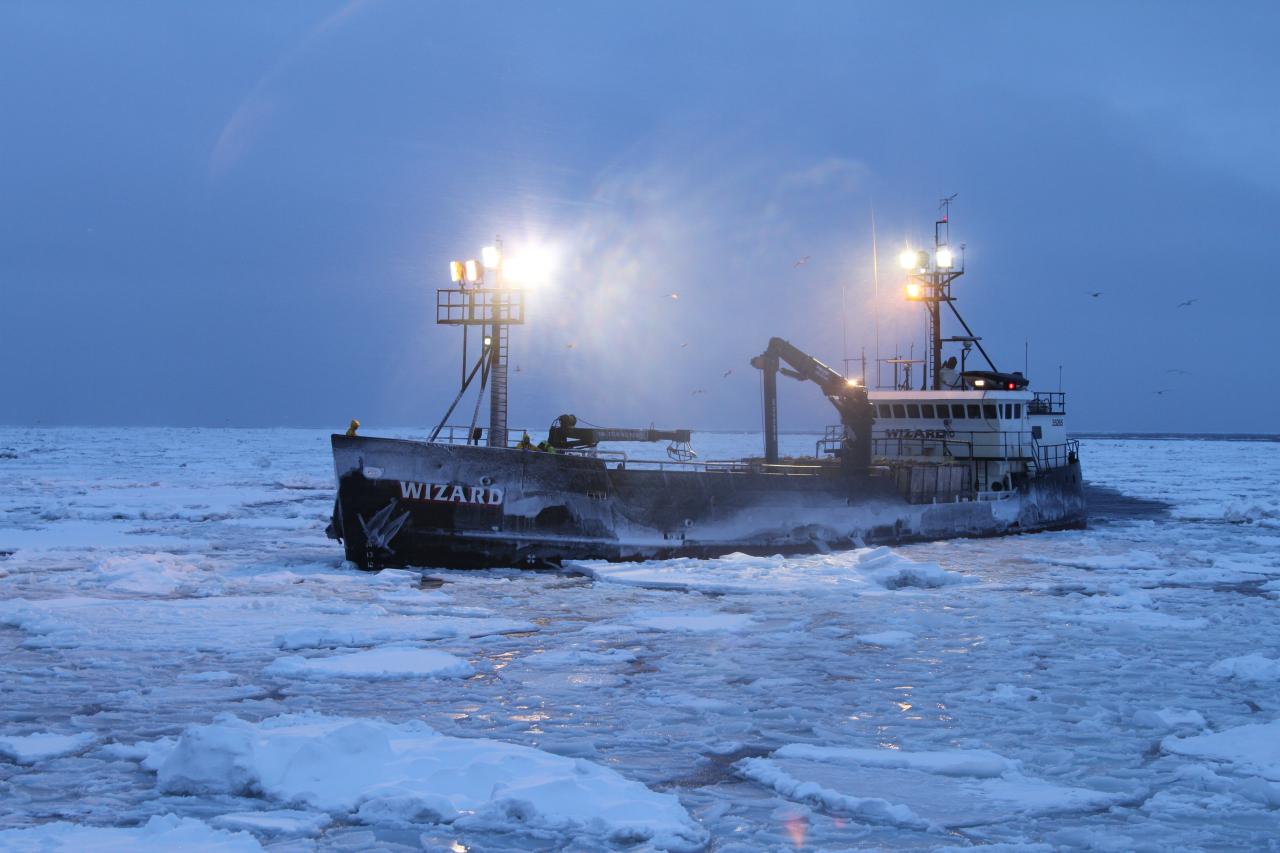
For decades, the Wizard has carried a reputation as one of the toughest vessels on the Bering Sea—a steel giant built to endure punishment that would cripple lesser boats. But during a brutal stretch of fishing, even this “iron ship” was pushed to its limits, reminding everyone on board that no amount of experience or reinforced steel can truly conquer the ocean.
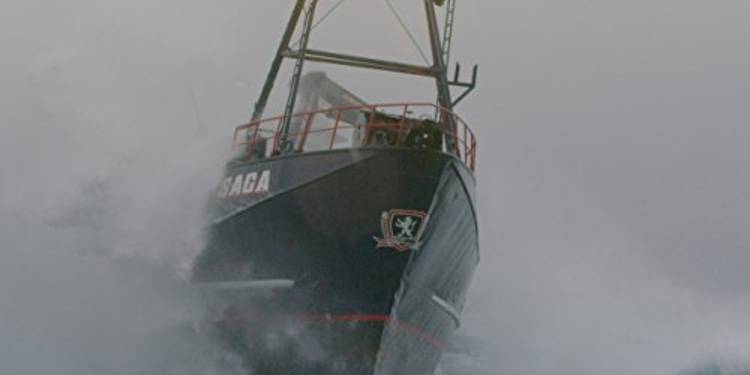
What began as a hard but manageable day quickly spiraled into chaos when towering 35-foot waves began slamming into the Wizard head-on. One wave after another crashed across the deck with relentless force, each impact heavier than the last. The sea did not come from the side or the stern—it attacked directly, as if testing the ship’s resolve.
When the Sea Turns Violent
Crew members describe the moment the rhythm changed. The wind intensified, visibility dropped, and suddenly the waves were no longer spaced—they were stacked. The Wizard rose and fell violently, its bow punching into walls of water that detonated across the deck.
Equipment designed to withstand years of punishment began to fail. Deck gear was ripped loose, railings bent under pressure, and heavy tools slid uncontrollably with each roll of the ship. What was once an organized, disciplined work area turned into a danger zone in seconds.


The Wizard, long seen as nearly indestructible, was taking visible damage.
Injuries on Deck
As the waves tore through the working deck, the crew found themselves fighting not only the sea, but gravity itself. One violent hit sent water surging across the deck, knocking a crew member off balance. Another wave followed immediately, leaving no time to recover footing.
A sailor slipped, crashing hard against the steel deck. Others scrambled to grab railings, crab pots, or anything bolted down. The line between standing and falling disappeared in an instant.
In these conditions, injury is almost unavoidable. The deck is slick with seawater, ice-cold spray blinds the eyes, and every surface becomes a weapon. Even a minor slip can result in broken bones, head trauma, or worse.
And hovering over every movement was the unspoken truth every Bering Sea fisherman knows: one wrong step can be fatal.
One Step From Disappearing
Perhaps the most chilling aspect of the incident was how close it came to tragedy. During one particularly violent surge, a crew member slid dangerously close to the rail as the deck tilted beneath his feet. For a brief moment, the possibility was terrifyingly real.
On the Bering Sea, there are no second chances. Falling overboard in 35-foot seas is not like falling into water—it is being swallowed. The cold paralyzes the body in seconds. Waves separate men from ships instantly. Even with alarms and rescue procedures, survival is far from guaranteed.
Veteran fishermen often say that the sea does not need to kill you loudly. Sometimes, it only needs a single misstep.
The Psychological Toll
Beyond the physical damage and injuries, the beating took a psychological toll on the crew. The Wizard has always been a source of confidence—a ship that inspires trust. Seeing it battered, seeing equipment torn loose and the deck transformed into chaos, shakes that belief.
When even the toughest vessel begins to look vulnerable, fear seeps in. Not panic, but a quiet realization that experience and reputation do not grant immunity.
Crew members were forced to slow operations, prioritize safety, and constantly reassess every move. Each wave became a calculation: hold position or retreat, push forward or protect lives.
A Stark Reminder of the Bering Sea
The incident serves as a sobering reminder of why the Bering Sea remains one of the most dangerous workplaces on Earth. It does not matter how many seasons a crew has survived or how strong their ship appears. The ocean decides when strength is enough—and when it is not.
The Wizard survived the beating. The crew survived the injuries. But the message was clear.
Steel bends. Equipment fails. And even legends of the fleet are only one wave away from disaster.
As the storm finally eased and the crew regrouped, there was no celebration—only relief. Because on the Bering Sea, surviving a day like that is not a victory. It is simply permission to face the ocean again tomorrow.