Clarkson’s Farm Highlights the Struggles of Modern Farming — What Can We Learn?
Valuable Agriculture Lessons from Clarkson’s Farm
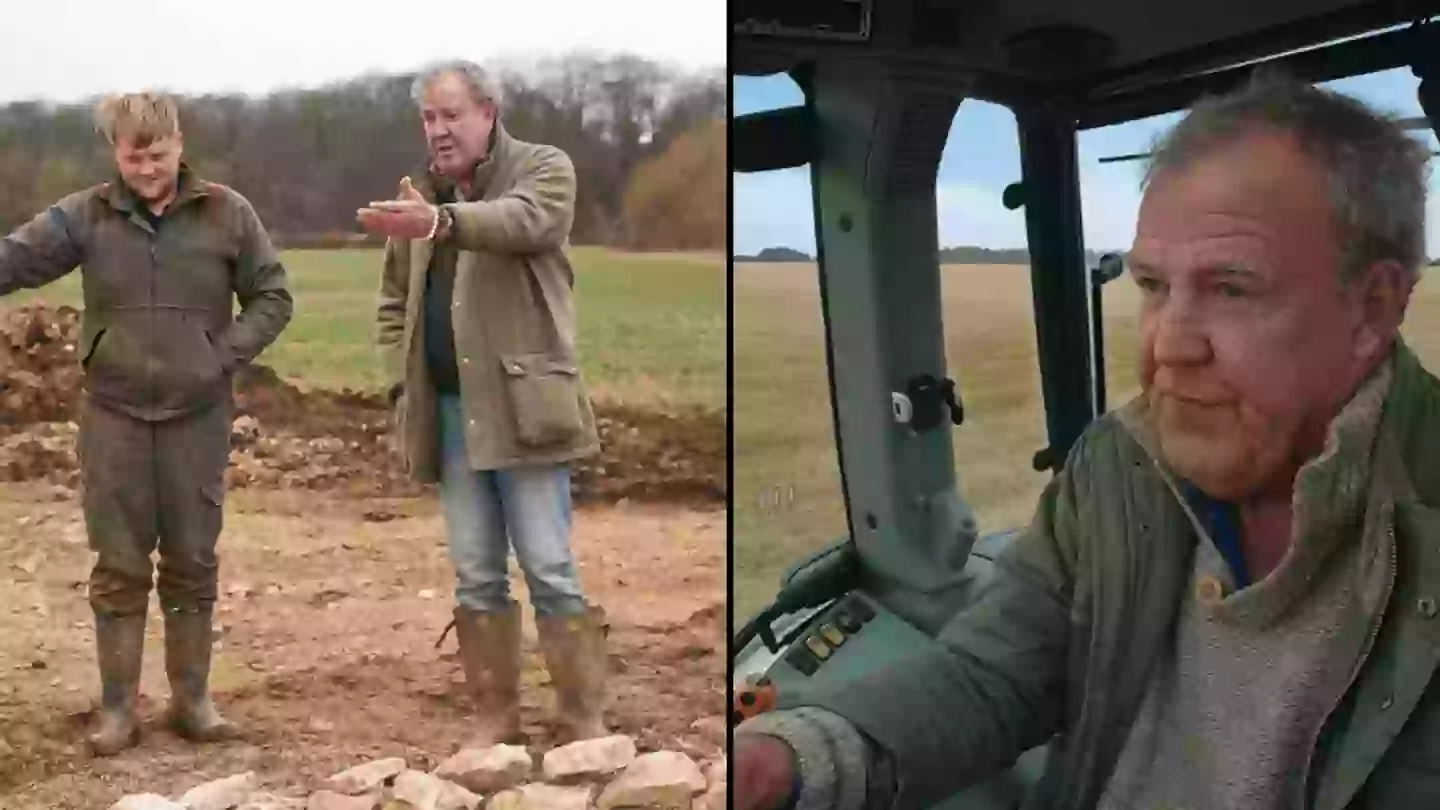
Jeremy Clarkson, once known for burning rubber on racetracks, has traded horsepower for harrows in the wildly popular series Clarkson’s Farm. The show, set on his sprawling Cotswolds estate, offers a comedic yet poignant look at the trials and triumphs of modern farming. Beyond the laughs, the series serves as an unexpected masterclass in agriculture, highlighting the critical role of science, planning, and expertise in navigating the unpredictable world of farming. Kobus van Zyl, a Senior Agriculturalist at Omnia Agriculture, sees the show as more than entertainment—it’s a vivid illustration of what works, what doesn’t, and why precision matters in today’s data-driven agricultural landscape.
The Cost of Gut Instincts
Clarkson’s foray into farming is marked by enthusiasm but often lacks the groundwork needed for success. From planting crops based on whims to spraying pesticides in windy conditions, his missteps are as educational as they are entertaining. Van Zyl points out that Clarkson’s approach—making decisions without data or expert input—is a risky gamble in modern agriculture.
“Good decisions start with good data,” Van Zyl emphasizes. “Soil analysis, crop variety research, and regional climate data are non-negotiable. They allow farmers to choose the right cultivars, apply fertilizers accurately, and maximize yields.” Without this foundation, farmers risk wasting resources or damaging their land, a lesson Clarkson learns the hard way when his uninformed choices lead to poor harvests or costly mistakes.

Fertilizer: Precision Over Guesswork
One of Clarkson’s recurring errors is applying fertilizer without understanding his soil’s needs. Van Zyl explains that this is a common pitfall, even for seasoned farmers. “Without soil analysis, you’re flying blind,” he says. “Overapplying nutrients wastes money and harms the environment, while underapplying starves crops and cuts profits.”
Effective nutrient management goes beyond basic soil tests. Van Zyl advocates for tailored programs that consider the crop type, yield goals, and historical field performance. “There’s no one-size-fits-all recipe,” he says. “Every field, every season, every crop demands a customized approach.” Tools like precision agriculture software and soil sensors now make it easier to fine-tune applications, ensuring optimal results with minimal waste.
Timing and Technique in Chemical Applications
A memorable moment in Clarkson’s Farm sees Clarkson spraying herbicide on a windy day, only to watch it drift onto neighboring fields. The fallout—both environmental and social—underscores the importance of timing and technique. “Spraying in high winds is a recipe for disaster,” Van Zyl warns. “You can damage nearby crops, reduce the product’s effectiveness, and even face legal claims from neighbors.”
Modern technology offers solutions. Weather apps, advanced spray nozzles, and climate-monitoring tools allow farmers to apply chemicals with precision, minimizing drift and environmental impact. Van Zyl stresses that planning is key: “Check the forecast, choose the right equipment, and know when to wait. It’s about working smarter, not harder.”

Soil Health: The Foundation of Resilience
Clarkson’s early seasons reveal a critical oversight: neglecting soil health. Only after facing disappointing yields does he begin to appreciate its importance. Van Zyl couldn’t agree more. “Soil health is the backbone of farming,” he says. “It’s not just about nutrients—it’s about microbial life, soil structure, and water retention. Ignore these, and you’re setting yourself up for long-term failure.”
In regions like South Africa, where water scarcity and erratic weather are constant challenges, soil health is even more critical. Practices like cover cropping, reduced tillage, and organic amendments can enhance soil biology, improving crop resilience and sustainability. “Healthy soil means crops that can withstand drought, pests, and other pressures,” Van Zyl notes. “It’s how we ensure food security.”
The Power of Expert Advice
Clarkson’s saving grace is his willingness to seek help, whether from local farmer Kaleb Cooper or agricultural consultant Charlie Ireland. Van Zyl sees this as a universal lesson. “Even experienced farmers benefit from expert advice,” he says. “Agronomists provide a feedback loop—spotting issues early, exploring options, and optimizing outcomes.”
In South Africa, professional networks and certification bodies ensure agronomists deliver reliable, science-based guidance. “It’s not about handing over control,” Van Zyl explains. “It’s about collaboration, leveraging expertise to make the most of every season.”
Sustainability: A Business Imperative
While Clarkson occasionally experiments with regenerative farming, his focus often leans toward short-term gains. Van Zyl argues that this is a missed opportunity. “Sustainability isn’t just about being ‘green’—it’s about protecting your business,” he says. “Practices like crop rotation, biostimulants, and soil conservation reduce input costs, preserve land quality, and boost long-term profitability.”
Biostimulants, which enhance soil microbial activity and plant resilience, are gaining traction as a cornerstone of modern farming. As climate risks intensify, sustainable practices are no longer optional—they’re essential for staying competitive.
A Mirror for Modern Farming
Clarkson’s Farm is undeniably entertaining, but its real value lies in its unfiltered portrayal of agriculture’s complexities. From unpredictable weather to tight margins, the show captures the challenges farmers face worldwide. “Clarkson’s mistakes are played for laughs, but they’re rooted in real issues,” Van Zyl reflects. “Farming is a science, a strategy, and a shared responsibility.”
For Van Zyl, the series underscores the importance of blending tradition with innovation. Tools like data analytics, precision equipment, and expert networks empower farmers to navigate an increasingly volatile industry. “The show reminds us that farming isn’t just about hard work—it’s about working smart,” he says. “With the right approach, we can feed the world while protecting the land for generations to come.”