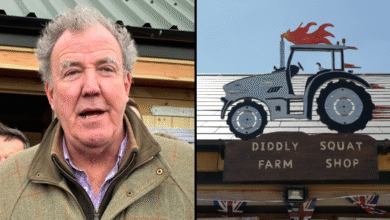
Jeremy Clarkson’s Pub Faces Boycott Calls: Why Is a Cotswolds Restaurant Sparking National Outrage?
“Boycott the Farmer’s Dog”: How Jeremy Clarkson’s Cotswolds Pub Became a Cultural Flashpoint

What began as a straightforward countryside pub revival has evolved into a national talking point, drawing in debates about politics, celebrity influence, and the future of rural communities. Jeremy Clarkson’s Cotswolds pub, The Farmer’s Dog, has become far more than a place to enjoy a pint — it now sits at the center of a growing cultural storm.
When Clarkson opened The Farmer’s Dog in August 2024, few expected it to spark controversy on this scale. After purchasing and renovating the former Windmill pub in Asthall, Oxfordshire, the broadcaster-turned-farmer positioned the venue as a celebration of British agriculture. Locally sourced food, British beer, and a rustic atmosphere closely tied to Clarkson’s Farm made the pub an instant hit with fans.
Almost overnight, visitors arrived from across the country, eager to experience a slice of Clarkson’s rural world. What had once been a quiet village pub became a destination — busy, profitable, and constantly photographed.
But popularity, as it turned out, came with consequences.
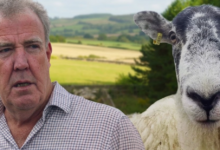
The mood shifted when Clarkson publicly confirmed that Labour MPs would not be welcome at the pub. While he presented the move with characteristic sarcasm, critics interpreted it as a deliberate political statement. To them, the ban crossed a line, turning a community space into an ideological boundary.
The backlash gained momentum after journalist Graham Lambert posted a blunt message on X, urging people to boycott the venue altogether. His words struck a nerve.
“It’s time for us all to get out of Jeremy Clarkson’s pub and into somewhere more welcoming,” he wrote, accusing Clarkson of aligning his business with “right-leaning sentiments” and encouraging patrons to support pubs that reflected “majority values and interests.”

Within hours, the post circulated widely, igniting fierce debate. Supporters of the boycott framed it as a stand against the politicisation of public spaces and the growing influence of celebrity-owned rural businesses. Critics, meanwhile, dismissed it as virtue signalling and an attack on free expression.
Yet away from social media, the controversy exposed deeper unease within the local community.
Residents of Asthall and nearby villages began voicing long-held frustrations. Some pub owners quietly complained that Clarkson’s fame had skewed the local economy, pulling customers away from smaller, family-run establishments. Parking congestion worsened as visitors flooded in. Coach tours replaced the familiar rhythm of walkers, cyclists, and locals stopping by for a quiet drink.
“The Cotswolds isn’t meant to feel like a theme park,” one resident said privately. “It’s starting to feel like the village exists for visitors, not the people who live here.”
What began as political disagreement soon broadened into a wider debate about rural identity. For some locals, The Farmer’s Dog symbolised a loss of control — a sign that celebrity power could reshape village life without consent. For others, it represented opportunity: jobs, tourism, and renewed interest in British farming.
Supporters argued that Clarkson had invested heavily in the area, created employment, and promoted local produce on a global stage. They saw criticism of the pub as misplaced resentment toward success.
“This place was struggling before,” said one regular. “Now it’s thriving. That has to count for something.”
As tensions rose, attention naturally turned back to Clarkson himself. Known for confronting criticism head-on, few expected him to soften his stance. Instead, his responses — brief, dismissive, and unmistakably Clarkson — only intensified the conversation.

To fans, his refusal to back down was refreshing. To critics, it confirmed their belief that the pub had become less about hospitality and more about provocation.
What makes the situation so volatile is that it touches on multiple fault lines at once: politics, class, rural change, and celebrity influence. A village pub, traditionally a neutral gathering place, has been transformed into a symbol onto which wider national frustrations are being projected.
In many ways, The Farmer’s Dog is no longer just a pub. It is a battleground for competing ideas about who rural spaces belong to, how far personal beliefs should shape businesses, and whether fame inevitably distorts local life.
As calls for boycott continue and supporters rally in equal measure, the future of the pub remains uncertain — not in terms of profitability, but in meaning. Whether it becomes a lasting symbol of division or eventually settles back into being simply a place for food and drink may depend on how the debate evolves beyond social media.
For now, one thing is clear: what started as a quiet renovation in the Cotswolds has grown into a national conversation.
And at the heart of it all stands Jeremy Clarkson — unapologetic, defiant, and, as ever, impossible to ignore.