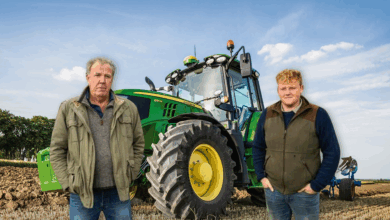
Jeremy Clarkson Attends Cereals Event Seeking Solutions — Can Farmers Unite Against Policies Threatening Their Livelihoods?
Jeremy Clarkson Condemns ‘Anti-Farming’ UK Government as He Urges Unity Ahead of Major Industry Event
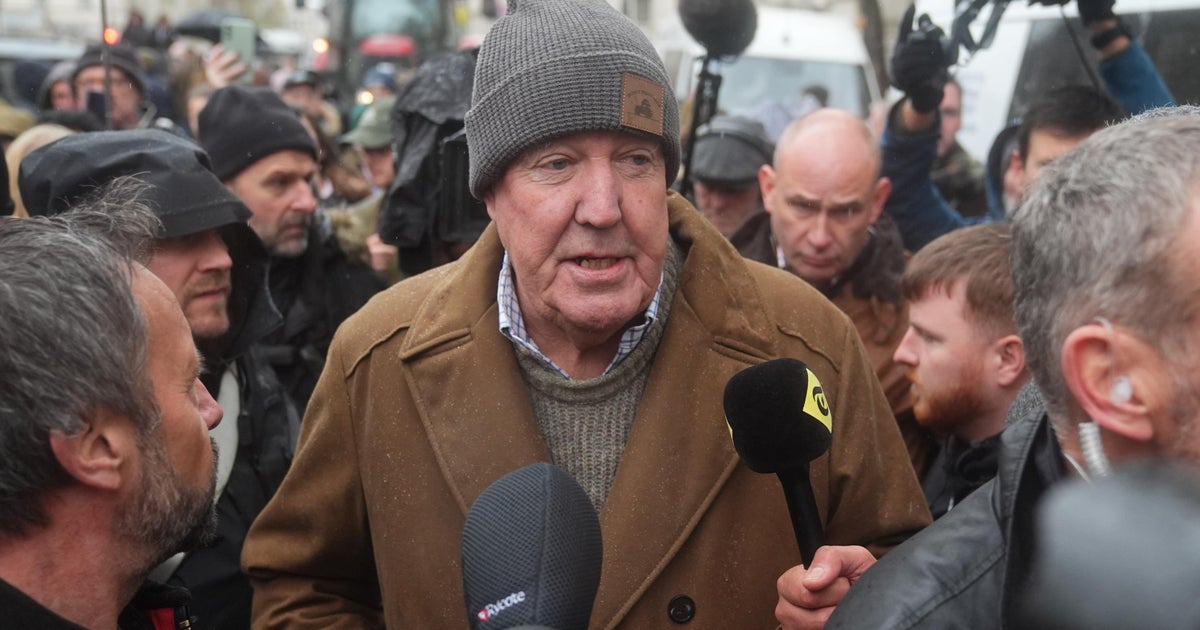
Jeremy Clarkson has launched a fresh critique of the UK Government’s approach to agriculture, accusing policymakers of being “actively anti-farming” while urging the industry to seize a rare opportunity to unite and shape its own future. The broadcaster and farmer believes the upcoming Cereals Event, set to be hosted at his Diddly Squat Farm next year, could become a turning point for British agriculture at a time of growing uncertainty.
Clarkson, who has become an increasingly influential voice in rural affairs through Amazon Prime’s Clarkson’s Farm, said farmers across the country are facing unprecedented pressure from rising costs, changing tax rules, and what he describes as a lack of understanding from those in power. According to Clarkson, these challenges are not isolated issues but part of a broader pattern that threatens the long-term sustainability of farming in the UK.
Speaking ahead of the Cereals Event, one of the largest arable farming shows in the country, Clarkson said the gathering comes at a critical moment. He argued that while government policies have left many farmers feeling under siege, the industry itself still has the capacity to collaborate, innovate, and push back through practical solutions.
The Cereals Event, which attracts thousands of farmers, agronomists, researchers, and industry leaders each year, will be held at Diddly Squat Farm, the Oxfordshire site made famous by Clarkson’s television series. The decision to host the event there has been widely interpreted as symbolic, reflecting Clarkson’s transformation from television presenter to outspoken advocate for rural Britain.
Clarkson has repeatedly warned that farming is being squeezed from multiple directions. Rising fuel prices, fertiliser costs, labour shortages, and tighter environmental regulations have all contributed to mounting financial strain. On top of this, proposed changes to inheritance tax relief for agricultural land have sparked fierce opposition, with critics arguing the reforms could force family farms to sell land to meet tax obligations.

In Clarkson’s view, these policies demonstrate a disconnect between government decision-makers and the realities of farming life. He has accused ministers of treating agriculture as an afterthought rather than a strategic industry essential to national food security. “You cannot regulate, tax, and restrict farming into survival,” Clarkson has previously argued, warning that the consequences will ultimately be felt by consumers as well as farmers.
Despite his frustration, Clarkson struck a more constructive tone when discussing the upcoming event. Rather than focusing solely on criticism, he emphasized the importance of farmers coming together to exchange ideas, share innovations, and present a united front. He believes the Cereals Event can act as a platform for practical discussions on productivity, sustainability, and resilience.
Industry figures agree that collaboration is increasingly vital. With global supply chains under strain and climate challenges intensifying, many experts argue that British farming must adapt rapidly while ensuring it remains economically viable. Events like Cereals provide an opportunity for farmers to engage directly with researchers, technology providers, and policymakers.
Hosting the event at Diddly Squat Farm adds a unique dimension. The site has become a high-profile example of the challenges facing small and medium-sized farms, from navigating regulations to dealing with unpredictable weather and public scrutiny. Clarkson’s candid portrayal of farming struggles has resonated with audiences far beyond the agricultural sector, helping to bring rural issues into mainstream conversation.
However, Clarkson’s outspoken style has also attracted criticism. Some commentators argue that his language risks inflaming tensions rather than encouraging constructive dialogue. Others counter that his bluntness has succeeded in drawing attention to issues long ignored by urban-focused policymakers.

For Clarkson, the goal is clear: to ensure farming remains viable for future generations. He has warned that without meaningful change, Britain risks losing not just farms, but the skills, traditions, and communities that underpin rural life. “Once a farm is gone, it rarely comes back,” he has said in previous remarks.
As preparations begin for next year’s Cereals Event, expectations are high that the gathering will go beyond machinery displays and crop trials. Clarkson hopes it will generate concrete proposals that farmers can take forward collectively, strengthening their voice in national debates.
Whether the government he criticises will engage with those discussions remains to be seen. But for many in the farming community, the event represents a rare moment of optimism amid ongoing challenges. By bringing the industry together at a time of political and economic pressure, Clarkson believes farmers can move from reacting to policy decisions to shaping their own future.
As tensions between rural communities and policymakers continue to grow, the Cereals Event at Diddly Squat Farm may prove to be more than just an agricultural showcase. For Clarkson and many others, it could become a rallying point for an industry determined to survive — and be heard.