The Curse of Oak Island Comes Under Fire — What Secrets Could Prove the Entire Show Is Fake?
Is The Curse of Oak Island Real—Or Completely Fake? A Closer Look at TV’s Most Mysterious Treasure Hunt

For more than a decade, viewers have tuned in to watch Rick and Marty Lagina dig, drill, and debate their way across an isolated patch of Nova Scotia. The Curse of Oak Island, now in its tenth season, has become one of History Channel’s most recognizable programs. Yet despite years of excavation, exploration, and mounting anticipation, the treasure the team seeks in the island’s legendary “Money Pit” still hasn’t been found.
With each new season, one question resurfaces: Is the show real, or has the search become a made-for-TV myth?
The debate isn’t new. Reality television has long blurred the line between authenticity and entertainment. From scripted feuds to manufactured twists, viewers have learned to question nearly everything they see. And when a show promises hidden treasure, secret chambers, and centuries-old mysteries? The skepticism only intensifies.
So what is real about Oak Island—and where do doubts begin?




A Mystery Centuries in the Making
Long before TV cameras arrived, Oak Island had already cemented its place in North American folklore. As early as 1795, locals reported strange markings, mysterious soil layers, and even coconut fibers buried deep underground—an anomaly for a Canadian island far from any tropical coastline.
According to Macleans, treasure hunters have been drawn to the area for more than 200 years. The publication noted that Daniel McGinnis, who first explored the island in the 18th century, discovered the coconut husks that fueled speculation of buried riches. Since then, the island has seen dozens of companies, investors, and amateur scientists—all chasing the legendary fortune.
But even the island’s long history comes with controversy. Some historians refer to it as “Hoax Island,” arguing that the myths have been passed from generation to generation with little hard evidence. Dan Conlin, a historian and author of Pirates of the Atlantic, told Macleans that Oak Island’s reputation persists largely because of “a self-sustaining myth” driven by treasure hunters themselves.
In other words, Oak Island may be real—but that doesn’t mean the treasure is.
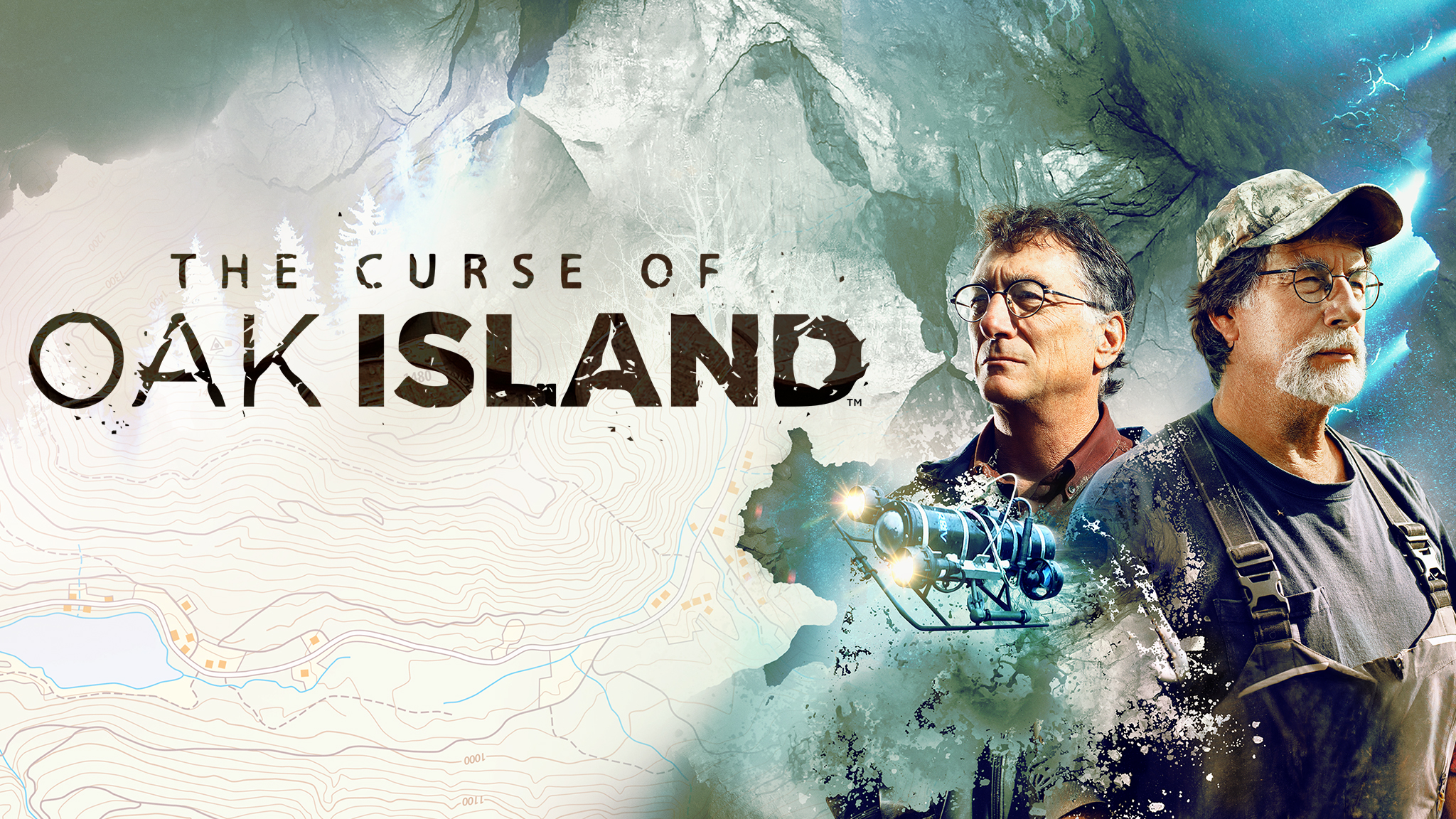
Rick and Marty Say the Show Is Real
The Lagina brothers have repeatedly insisted that the series depicts their genuine treasure hunt—not one fabricated for television. In a 2017 interview with Reality Blurred, Rick Lagina explained that their search began three years before they were ever approached about a show.
This is an important detail, especially for critics who assume the brothers embarked on the search only because cameras started rolling. According to Rick, that assumption is wrong. They were already invested—financially and emotionally—long before TV entered the picture.
Rick described the experience of being on the show as humbling. “We welcome the fact that people come to the island,” he said, referring to the steady stream of tourists who now visit the site. The brothers see the show as a way to share their passion for the centuries-old mystery with a global audience.
Marty Lagina echoed his brother’s statements, emphasizing that the production team does not script conversations or reactions. “Everything about that show is real,” he said firmly. “We will not do scripts. All the discussions in the war room are what we are actually discussing.”
He did note that filming naturally slows down the process—due to microphones, cameras, and repeated takes for clarity—but the substance of the work remains genuine. “It’s not them just following us,” he admitted, “but it is real.”
Their stance is consistent: the treasure hunt is authentic, and the show depicts it truthfully.
Experts Behind the Scenes Strengthen the Show’s Credibility
One of the reasons fans feel The Curse of Oak Island is more legitimate than the average reality show is the team of experts frequently featured on-screen.
According to Distractify, archaeologist Miriam Amirault is one of several specialists who have joined the investigation. Her training, alongside the work of geologists, metal detection experts, and historians, grounds the show in real scientific method—something not often seen in reality TV.
This scientific presence gives the impression that the search is not simply theatrical but is based on actual fieldwork.

Where Skepticism Comes In: Editing, Time Jumps, and TV Dramatization
While many viewers believe the brothers are sincere, some have raised questions about how the show is edited. Gary Drayton, the team’s metal detection expert, has acknowledged that certain scenes are trimmed or packaged in ways that may confuse the audience.
TV Shows Ace reported one example: a scene where a metal detector supposedly “found” pottery—an impossibility, since pottery isn’t metal. Drayton later clarified that metal fragments were discovered first, but that part didn’t make the final cut. Without that explanation, the scene looked suspicious and raised doubts about the show’s accuracy.
This highlights a core issue: even if the treasure hunt is genuine, the storytelling is still crafted for television. Suspense, cliffhangers, and dramatic pauses are expected—especially on a show that has run for more than 180 episodes.
What Fans Ultimately Believe
On platforms like Quora, viewers seem to agree on one thing: the show is entertaining, even if not every moment is wholly authentic.
One viewer wrote, “It’s more entertainment than truth… I don’t doubt the Lagina brothers are legitimately searching for treasure. But they would have quit a long time ago without the earnings from the show.”
This sentiment captures the core tension at the heart of The Curse of Oak Island: the search is real, but the longevity may be driven as much by television as by the treasure itself.
So Is Oak Island Real—or Fake?
The answer, for now, lies somewhere in the middle.
The history is real.
The brothers’ search is real.
The enthusiasm is real.
But the treasure? The show’s editing? The lingering suspense season after season? Those belong to the world of television.
And until someone finally uncovers what may—or may not—be buried beneath Nova Scotia’s most famous island, viewers will keep tuning in, hoping that next time, the discovery will finally come.