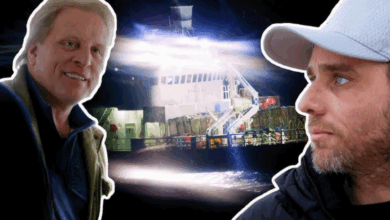
A Deadly Typhoon Bears Down in ‘Deadliest Catch’ Season 21 — Which Crew Will Survive Episode 3?
A Typhoon Approaches in ‘Deadliest Catch’ Season 21 Episode 3: A Battle Against Nature’s Fury
The Bering Sea, a merciless expanse of icy waters and unpredictable storms, once again takes center stage in Deadliest Catch Season 21, Episode 3, titled “Typhoon Sea State.” Airing on August 15, 2025, on the Discovery Channel, this gripping installment throws the crab fishing fleet into the path of Typhoon Kong-Rey, a monstrous storm bringing 30-foot waves and ferocious winds. The episode, a testament to the series’ enduring legacy as a Discovery Channel cornerstone, captures the raw danger and unyielding determination of fishermen chasing Alaskan king crab in one of the world’s deadliest professions.
Typhoon Kong-Rey Looms Large
As the episode opens, the Bering Sea grows increasingly hostile, with Typhoon Kong-Rey barreling toward Alaska. The storm’s approach, felt 240 miles from Dutch Harbor, sets a tense backdrop for the crews aboard vessels like the Time Bandit and Titan Explorer. The typhoon’s monstrous waves and high winds challenge even the most seasoned captains, turning routine tasks into life-or-death gambles. For the fishermen, the stakes are twofold: secure a lucrative crab haul and survive the sea’s wrath..
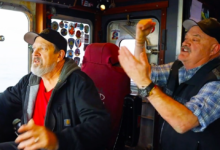
Aboard the Time Bandit, Captain Johnathan Hillstrand confronts the worsening conditions with his characteristic resolve. “We’re not the kind of guys that quit,” he declares, his words a rallying cry for his crew as they battle the violent swells. His wife, Heather, onboard with him, visibly struggles with the terror of the storm, her expression reflecting the gravity of their situation. Johnathan emphasizes safety, urging the crew to move deliberately despite the pressure to haul heavy crab pots filled with valuable king crab. Each pot, weighing up to 700 pounds, is a potential hazard in the turbulent seas, capable of crushing a careless crew member.

The Time Bandit’s challenges escalate when mechanical issues arise. Slack tank problems threaten the vessel’s stability, and the smell of burning electrical wires raises alarms. A malfunctioning crab pump further jeopardizes the crew’s precious cargo. Through quick thinking and teamwork, they manage to stabilize the situation, preserving their haul and averting disaster. Amid the chaos, Johnathan reflects on his recent collaboration with friend Sig Hansen, who has returned to his own vessel, the Northwestern. The discovery of a few of Sig’s hairs on the Time Bandit offers a fleeting moment of levity in an otherwise harrowing day.

Medical Emergency and a Perilous Harbor Run
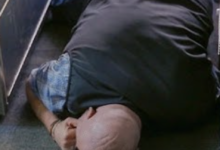
Elsewhere, the typhoon’s fury tests the crew of the Cornelia Marie, where Rick and Bob face a dire situation. A crew member sustains a head wound, and in the midst of the storm’s turbulence, they attempt to stitch it up—a precarious task as the boat rocks violently. The scene underscores the relentless danger of crab fishing, where even medical emergencies must be handled under extreme conditions. The crew’s ability to manage this crisis while battling the elements highlights their resilience and resourcefulness.
Meanwhile, Johnathan Hillstrand faces his own high-stakes challenge: navigating the Time Bandit into a harbor to seek shelter from the typhoon. With the risk of capsizing ever-present, the maneuver requires precision and nerve. The harbor entrance, fraught with churning waters and unpredictable currents, tests Johnathan’s skill as a captain. His success in this endeavor is a testament to his decades of experience, but it comes at the cost of constant vigilance and unrelenting stress.
Jake Anderson’s Personal and Professional Struggles
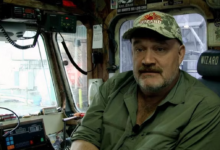
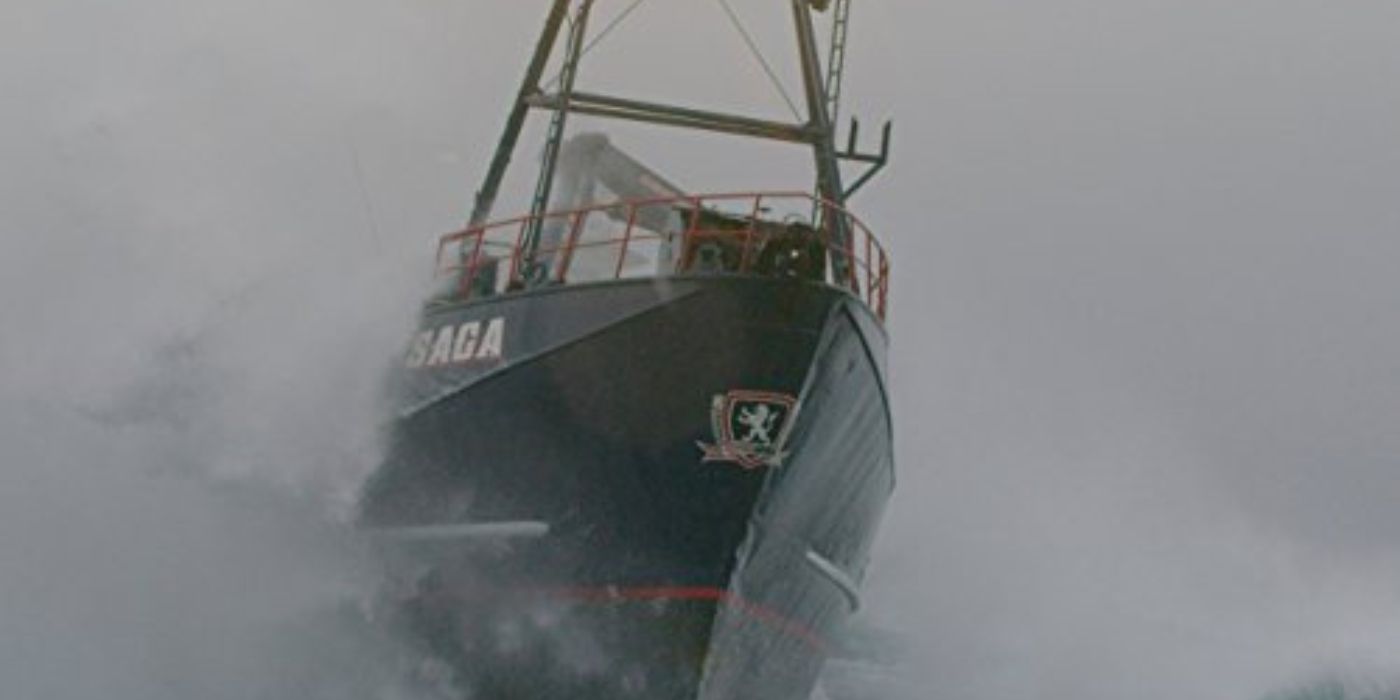
Captain Jake Anderson, aboard the Titan Explorer, grapples with both the storm and personal turmoil. Having recently overcome a hazardous gas leak that forced his crew to abandon ship temporarily, Jake is back in action, but the typhoon ensures no reprieve. The Titan Explorer sways dangerously in 25-foot waves, with water crashing over the deck as the crew continues to deploy crab pots. Jake’s orders are clear: “Watch the rails.” He briefly calls the crew inside for safety but not before sending out more pots, banking on a big return to justify the risk.
A phone call home to his wife, Jenna, brings bittersweet news. It’s their son Cadence’s birthday, and while Jake celebrates a strong crab haul, he’s acutely aware of the family moments he’s missing. The emotional toll deepens when Jenna reveals that Cadence has injured his hand in a door at home. As Jake processes this, an alarm signals a critical issue onboard: a power failure has knocked out the vessel’s steering. With massive waves pounding the Titan Explorer, the timing couldn’t be worse. “I’m not just a captain. I’m a father and a husband,” Jake reflects, highlighting the strain of balancing his duties at sea with his responsibilities at home. Engineer Felipe Miramontes saves the day, locating a faulty valve and restoring power, but the incident underscores the razor-thin margin for error in these conditions.
The Enduring Legacy of Deadliest Catch
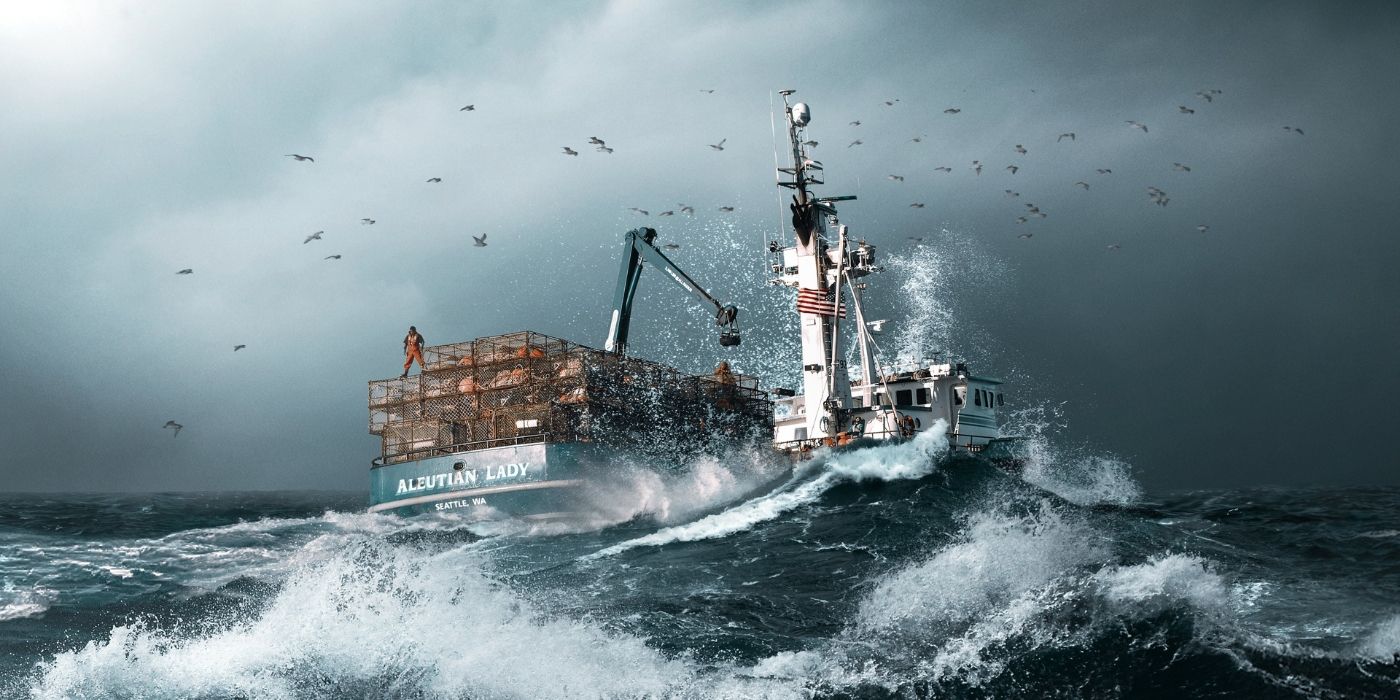
Deadliest Catch, now in its 21st season, remains an iconic portrayal of the Alaskan king crab industry’s brutal realities. The series captures the mortal perils—40-foot waves, crushing crab pots, and freezing temperatures—that define this modern-day gold rush on the Bering Sea. Episode 3, “Typhoon Sea State,” exemplifies the show’s ability to weave high-stakes drama with human stories of sacrifice and perseverance. Whether it’s Rick and Bob stitching a wound in a storm, Johnathan navigating a treacherous harbor, or Jake wrestling with family concerns amid mechanical failures, the episode delivers a visceral look at the courage required to fish in the world’s most dangerous waters.
As Typhoon Kong-Rey tests the fleet, the fishermen’s resolve shines through. Their determination to secure a haul, protect their crews, and survive the storm speaks to the unyielding spirit that has made Deadliest Catch a cultural touchstone. For viewers, the episode is a thrilling reminder of the human cost behind every Alaskan king crab on the market—a cost measured in bravery, sacrifice, and an unrelenting fight against nature’s fury.