‘Deadliest Catch’ Storms Ahead: Why Are Jake Anderson, Keith Colburn & Their Crews in Crisis?
‘Deadliest Catch’: Why Jake Anderson, Keith Colburn & Their Crews Are Facing a Crisis Beneath the On-Screen Drama
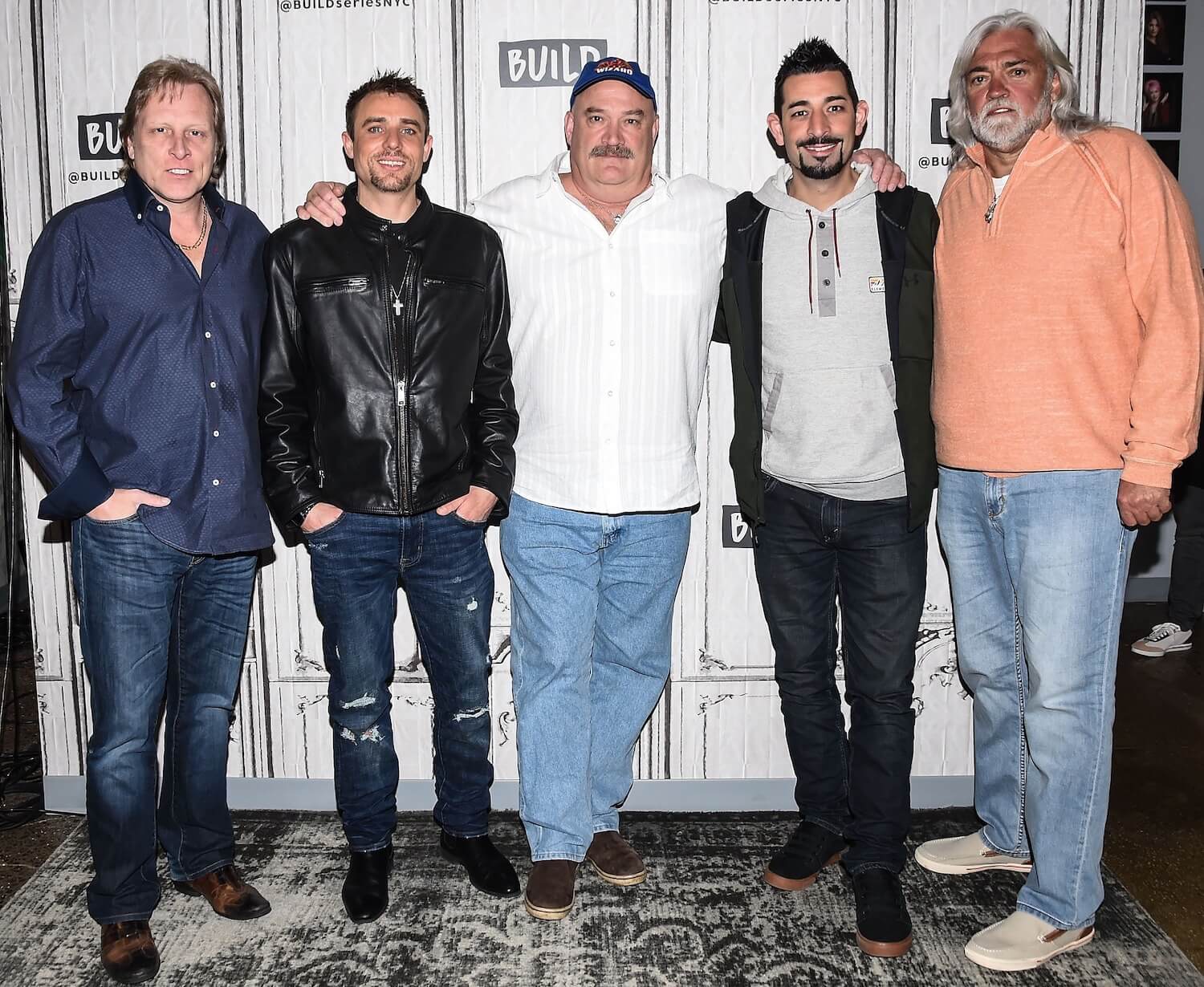
Deadliest Catch returns for its 21st season on Friday, August 1, bringing audiences back into the brutal, unforgiving world of crab fishing in the Bering Sea. The show continues to follow some of the industry’s most recognizable captains, including Jake Anderson and Keith Colburn, aboard their iconic vessels as they battle the elements, injury risks, and intense competition in pursuit of the valuable red king crab. However, while viewers anticipate the high-octane action and personal dramas the series is known for, the underlying story this season is one of economic uncertainty, biological challenges, and an industry facing mounting pressures that threaten its very survival.
This season’s narrative centers around Adak Island, a remote location in the Aleutians West Census Area of Alaska that was formerly a military base. The crab fleet has set course for Adak in hopes of capitalizing on what is being called a “gold rush” — the potential rebound of red king crab populations after years of scarcity and closure. Yet behind the hopeful marketing and the intense on-deck action, the reality of the fishery is far more complex and bleak.

According to National Fisherman, an authoritative publication covering commercial fishing in Alaska and beyond, the red king crab fishery in Bristol Bay — once a powerhouse of crab harvesting and among the most lucrative in the region — has been closed since the 2021–2022 season. This closure was mandated due to persistently low stock assessments that signal a troubling decline in crab populations. The biomass of mature female red king crabs, a key measure used by the Alaska Department of Fish and Game (ADF&G), remains below the regulatory threshold necessary to reopen the fishery, meaning that the industry is effectively in a prolonged hiatus.


These biological setbacks have left fishermen with fewer and less predictable opportunities to harvest crab, forcing many to take exploratory trips to more remote and less proven fishing grounds like Adak Island. But fishing around Adak presents its own set of challenges. The island’s remote location — thousands of miles from major supply centers — coupled with its limited infrastructure, creates significant logistical hurdles. Travel times are lengthy, making trips more expensive and exhausting, while the lack of permanent processing facilities complicates efforts to efficiently bring crab to market.
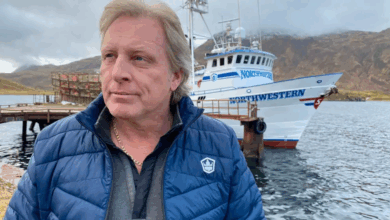
Deadliest Catch follows a fleet of vessels including the Northwestern, Time Bandit, Wizard, Titan Explorer, Confidence, and Aleutian Lady. These vessels and their crews are well-known to fans for their rugged determination and willingness to face life-threatening conditions in pursuit of a catch. Yet, despite the marketing hype portraying the season as a “gold rush” filled with potential riches, National Fisherman stresses that this is not a traditional full-scale fishery. Instead, the harvest near Adak is being managed through exploratory efforts and special commissioner permits — essentially experimental fishing licenses that allow limited harvest to gauge crab population status.
This patchwork regulatory approach, while necessary for conservation, also means smaller operators are squeezed out and face even greater uncertainty. Many are left without steady work or a clear path to rebuilding their businesses. The economic consequences ripple through the communities that depend on crab fishing, making what is typically a lucrative season into a struggle for survival.
The harsh economic reality extends beyond just reduced crab quotas. Operating in such a remote and demanding environment means enormous costs for fuel, maintenance, and crew wages, all of which continue regardless of catch size. Many fishermen are confronting the reality that even a decent catch may not cover their expenses, let alone provide profit. The volatility of the crab fishery and the unpredictability of weather and crab populations create a precarious financial tightrope for captains and crews alike.
As Season 21 unfolds, viewers will no doubt see the signature high stakes drama — including dangerous deck work, accidents, and the intense personalities that have made Deadliest Catch a beloved series. However, the economic and ecological challenges facing the industry provide a sobering backdrop that adds a new dimension to the story. The crews are not just fighting the brutal elements and each other; they are fighting to keep their way of life alive in an industry under siege.
The closures and restrictions imposed by regulators to protect crab populations reflect a difficult but necessary balance between conservation and industry survival. Without these measures, the fishery risks collapse, which would devastate the fishing communities that have depended on crab for generations. However, the current situation underscores how fragile and vulnerable this industry is, even as it remains one of the world’s most dangerous professions.
Moreover, the ongoing challenges around Adak Island highlight how climate change, environmental shifts, and human activity continue to impact marine ecosystems. The uncertainty around crab populations and the pressure on fisheries have become a microcosm of broader global challenges facing commercial fishing and marine conservation.
In sum, Season 21 of Deadliest Catch offers more than thrilling reality television. It presents a candid look at the economic crisis gripping one of Alaska’s most storied fisheries and the men and women struggling to persevere amid unprecedented challenges. For Jake Anderson, Keith Colburn, and their fellow captains and crews, the stakes have never been higher — not only for their season’s catch but for the future of their livelihoods and the fishing industry as a whole.